

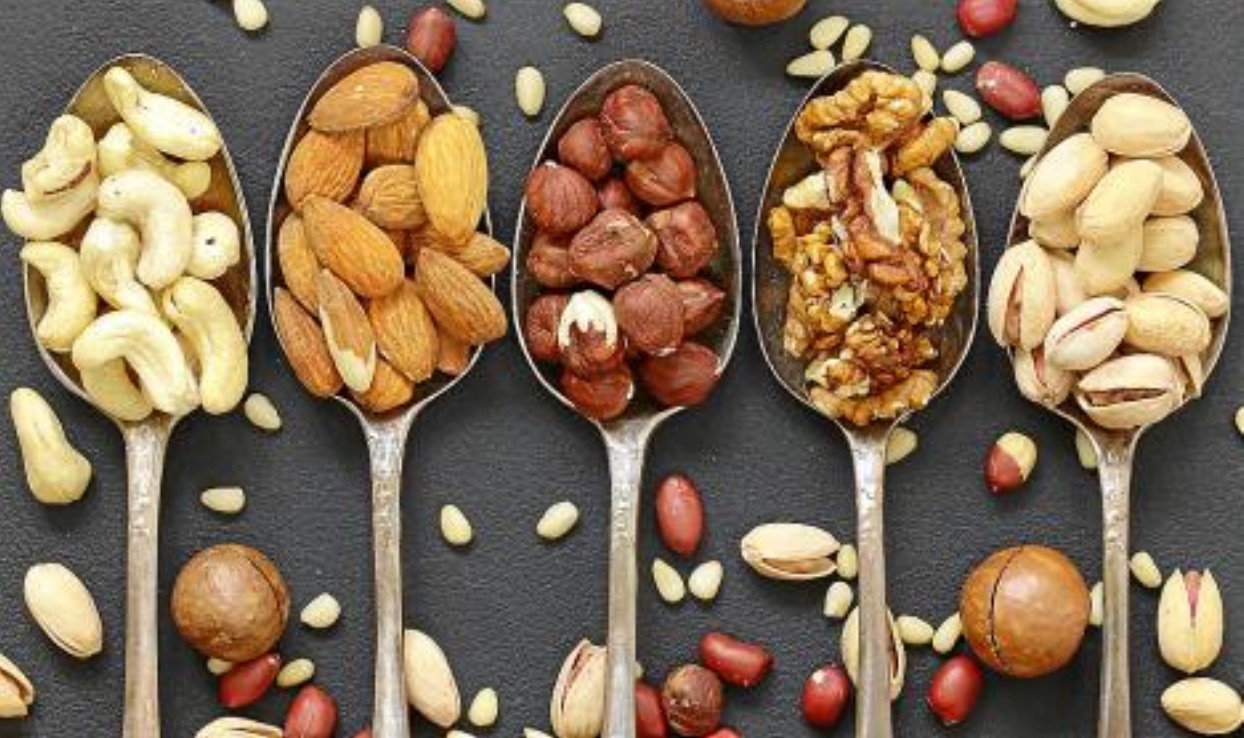
As we move into a new year, many people have been asking me the same question:
“Amanda, can you help make healthy choices simpler?”
Less confusion. Less contradiction. Fewer food rules. And more clarity around what genuinely supports long-term health.
So throughout the year, I’ll be choosing one simple topic each month and offering a clear, practical guide you can actually follow.
And the first topic of the year? Nuts.
Are they good for us? Bad for us? A superfood one day and inflammatory the next?
Should we snack on them, soak them, roast them… or give up entirely?
As with most things in wellness, the truth sits somewhere in the middle. Nuts can be powerful allies for healthy ageing, bone density and metabolic health - but only if we choose the right ones, eat sensible amounts, and understand how to use them well.
Why Nuts Matter More As We Age
From our 40s onwards, nutrition becomes less about fuelling intense workouts and more about preserving what we already have:
- Bone density
- Muscle mass
- Hormonal balance
- Mitochondrial function (our cells’ energy factories)
- Brain and heart health
Protein intake becomes increasingly important - especially for women - while inflammation and oxidative stress start to play a bigger role in how we age.
Nuts can support all of these areas. They provide plant protein, healthy fats, minerals and antioxidants - but not all nuts offer the same benefits.
Nuts Best Enjoyed in Moderation (or Avoided)
Peanuts
Despite their popularity, peanuts aren’t actually nuts - they’re legumes. They’re prone to contamination with aflatoxins (toxic moulds that stress the liver and immune system) and are very high in omega-6 fats. In excess, omega-6 can promote inflammation, which isn’t ideal for joints, bones or mitochondrial health. Add highly processed peanut butters into the mix, and this is one “nut” best kept for very occasional enjoyment.
Brazil Nuts
Brazil nuts are nutritional powerhouses - but they’re also a classic case of less is more. They’re extremely rich in selenium, which supports thyroid function and antioxidant defence. One or two per day is plenty. Consuming more regularly can lead to selenium overload, affecting nerves, hair and nails.
Cashews
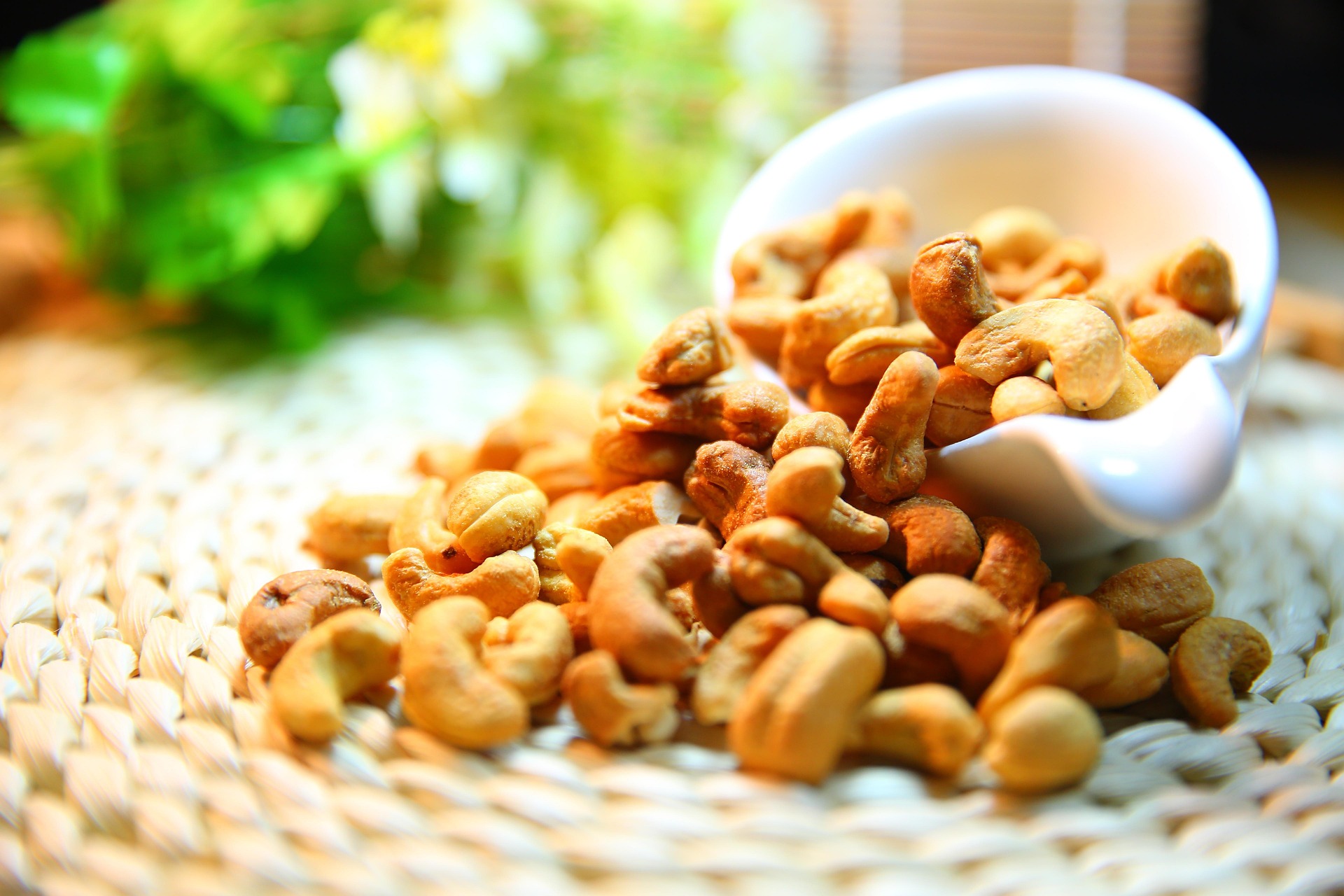
Cashews are another botanical imposter - technically seeds. They’re more acidic than most nuts, harder to digest for sensitive stomachs, high in oxalates (linked to kidney stone formation) and highly allergenic. Fine occasionally, but not ideal as a daily staple for healthy ageing.
Pine Nuts
Delicious in pesto, but surprisingly high in omega-6 fats. Overconsumption may increase oxidative stress and negatively impact mitochondrial function. The good news? Pesto made with walnuts or macadamias is just as delicious - and far more supportive.
The Best Nuts for Healthy Ageing & Bone Health
Walnuts
Rich in omega-3 fatty acids, walnuts support brain health and help reduce inflammation. A small handful per day, raw or lightly toasted, is plenty. They oxidise easily, so store them in the fridge. Pair with berries or leafy greens to enhance antioxidant absorption.
Almonds
Almonds are stars when it comes to bone health. They provide calcium, magnesium, phosphorus and vitamin E - all essential for bone density, cardiovascular repair and brain protection. Almonds also help stabilise blood sugar and lower cholesterol. Soaking overnight improves digestibility and mineral absorption.
Macadamia Nuts
Particularly supportive for metabolic health, macadamias are rich in monounsaturated fats that help reduce oxidative stress. Around 10 per day is ideal. They pair beautifully with green tea or a square of dark chocolate for antioxidant synergy.
Pistachios
Often underestimated, pistachios support circulation, eye health and vascular flexibility. They’re rich in L-arginine, a precursor to nitric oxide, which supports healthy blood flow and blood pressure. Aim for 30-40 per day, preferably unsalted and still in their shells.
Hazelnuts
Hazelnuts support skin, nervous system and bone health thanks to their vitamin E and manganese content. They also contain polyphenols that help reduce oxidative damage. Enjoy a small handful a few times a week, ideally with berries or leafy greens.
Pecans
Packed with antioxidants and monounsaturated fats, pecans support heart health and provide zinc and magnesium - important for immunity and bone strength.
Nuts, Bone Health & Healthy Ageing
Bone health isn’t just about calcium. It’s about the delicate balance between minerals, hormones, inflammation and mitochondrial energy production.
Nuts can play a valuable role - but only when eaten in appropriate amounts and as part of a varied, whole-food diet. Overconsumption, especially of roasted, salted or processed nuts, can tip the balance toward inflammation rather than resilience.
A small handful provides around 4–6 grams of protein, alongside fats that slow digestion and stabilise blood sugar. For healthy ageing - particularly for women - protein intake becomes essential to preserve muscle and bone density.
How to Pair Nuts for Better Absorption
Nuts work best as part of a protein-rich meal or snack, rather than on their own.
Helpful combinations include:
- Nuts + Greek yogurt or kefir
- Nuts + berries (vitamin C improves mineral absorption)
- Nuts + leafy greens
- Nuts + eggs or cottage cheese
A Morning Note for Women & Cortisol Balance
For many women in midlife, fasted morning exercise can spike cortisol, increasing stress rather than resilience.
A simple solution is to eat something small beforehand. A handful of almonds or walnuts with a piece of fruit or a spoon of yogurt provides gentle protein, fat and carbohydrates - enough to stabilise blood sugar and cortisol without feeling heavy.
Amanda’s Wellness Takeaway: How to Eat Nuts Without Overthinking It
Best timing
- Before morning exercise: small handful + fruit or yogurt
- After training: pair nuts with a clear protein source
- Afternoon snack: nuts + berries to avoid energy crashes
Portion guide
- Walnuts / almonds: small handful
- Macadamias: 10
- Pistachios: 30-40
- Brazil nuts: 1-2 only
Storage tips
- Store in airtight containers
- Refrigerate walnuts and almonds
- Avoid high-heat roasting
(According to the British Heart Foundation, general protein guidelines suggest 0.75g of protein per kilogram of body weight per day — a 60kg adult requires around 45g daily, with higher needs during pregnancy or high activity.)
So… Are Nuts Healthy?
Absolutely - when chosen wisely and eaten mindfully.
They’re not miracle foods, and they’re not villains either. Think of nuts as supporting actors in a bigger picture of healthy ageing, movement, connection and nourishment.
And if this year is about making life simpler and kinder to your body, perhaps the real takeaway is this:
Eat real food. Choose balance. And don’t be afraid to enjoy it.
After all… we can all be a bit nuts.
Disclaimer:
I am not a doctor, nutritionist or medical professional. I am simply someone with a deep and ongoing interest in wellness, longevity and healthy ageing, with a passion for making wellness feel simpler, more accessible and less overwhelming.
Which nuts have found their way into your daily routine, and have you noticed a difference? Tell me below.
Further Inspiration:
The Right Cheeses for Healthy Aging · Nitric Oxide · Maison Co-Pain · Anti-Ageing Seeds · Feed Your Bones

As featured in the Mallorca Bulletin
A shorter version of this article first appeared in Amanda’s Wellness Column in the Mallorca Bulletin. Read the original as a PDF →


0 Comments