

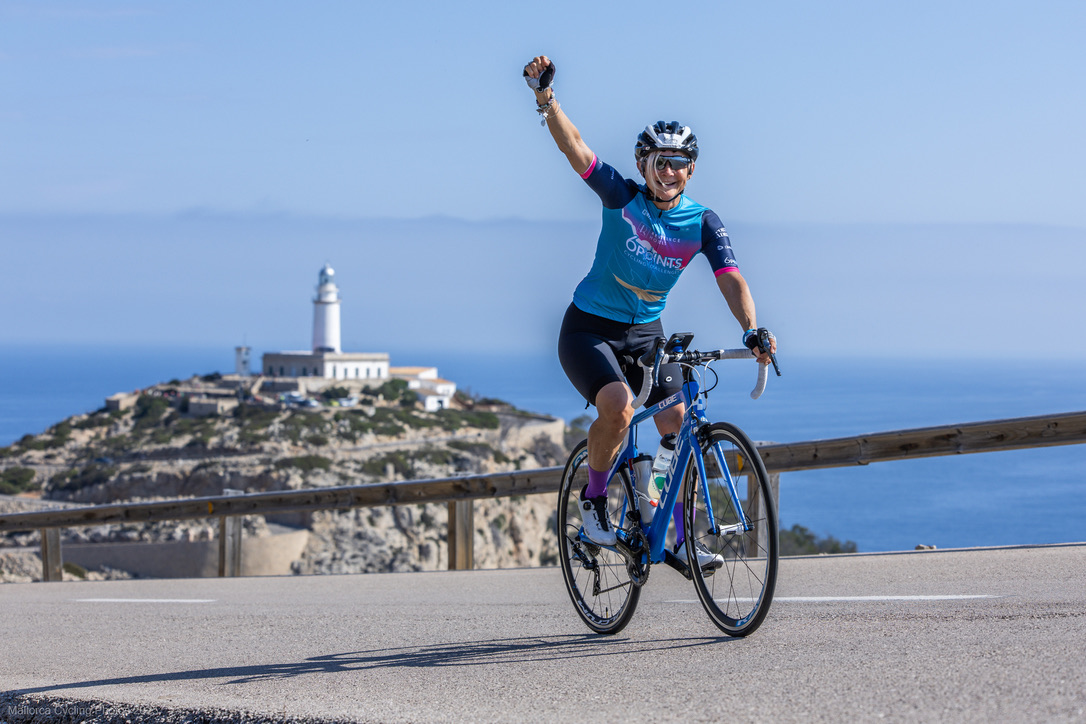
What to put on your plate in the weeks before the start line
The 6 Points Challenge is as much a test of preparation as it is of legs and lungs. Today, the part most of us underestimate: the quiet, daily meals in the weeks before the start as we roll out of Port Adriano - the ones that shape how strong our bones, muscles and immune systems actually are on race day.
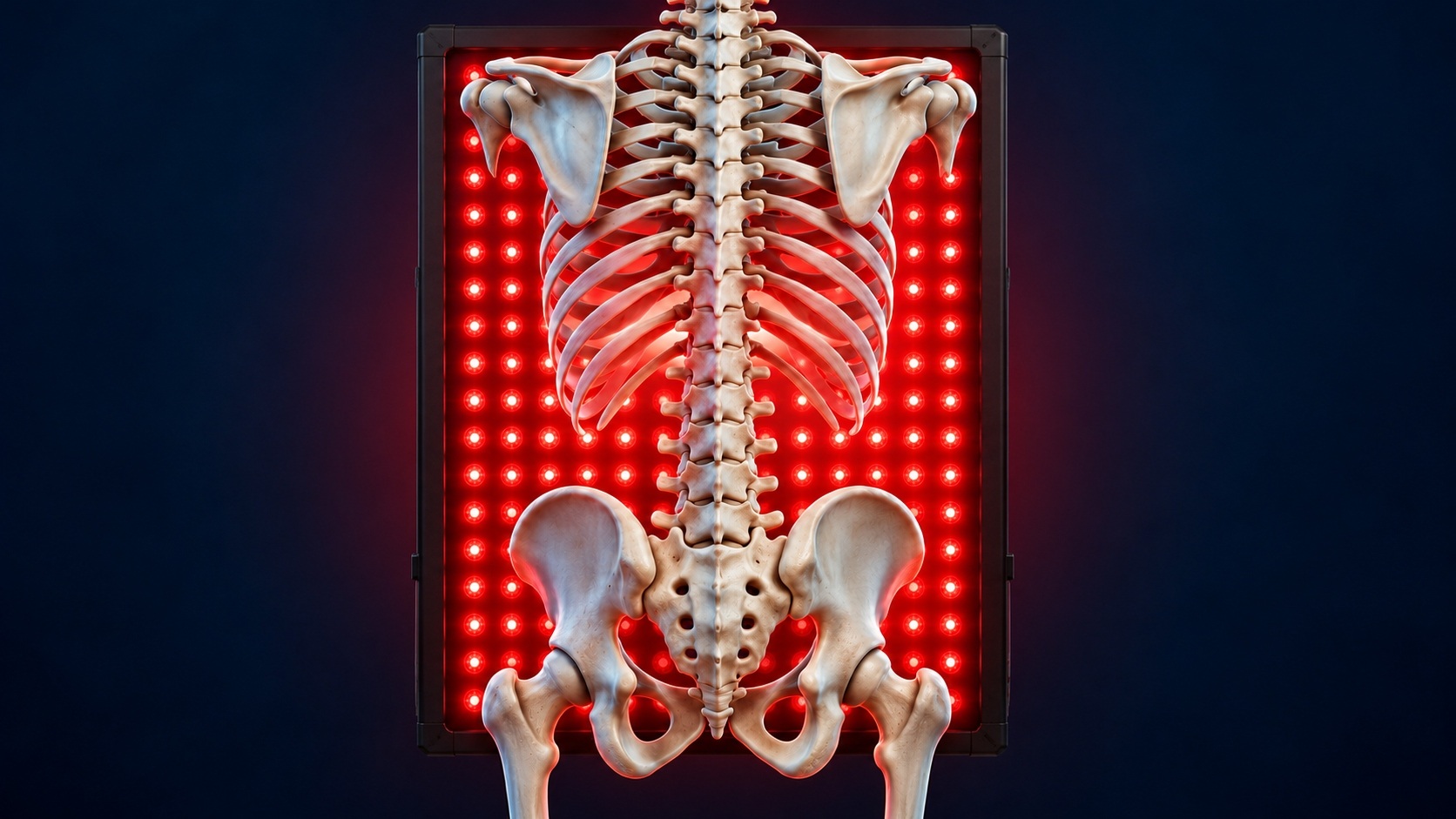
This matters more than it sounds. Cyclists tend to have surprisingly poor bone density - riding is non-weight-bearing, so our skeletons don't get the impact they need. A study highlighted on MyWhoosh found that 27% of male racers under 20 already had low lumbar bone density, and the figure for young women was a striking 45%, with 10% already meeting criteria for osteoporosis. Mountain bikers fare better than road cyclists, but as the majority of us aren't on the trails what we eat has to do more of the work.
Why women need to pay closer attention
Female cyclists carry a few extra risks: a smaller margin for under-fuelling, a tendency toward Relative Energy Deficiency in Sport (RED-S) when training ramps up, and with oestrogen swings across the cycle and into perimenopause, affecting how our bones lay down minerals. Sports dietitian Gemma Sampson recommends 1,000 to 1,500 mg of calcium and 1,000 to 2,000 IU of vitamin D every day for women in serious training, with calcium-rich pre-ride meals and quick carb-and-protein refuelling afterwards. Living on the island of Mallorca, we have the sunlight, the produce and the seafood to make it almost easy.
Five things we need to build into every meal
1. Protein - at least 30 g per meal, three or four times a day.
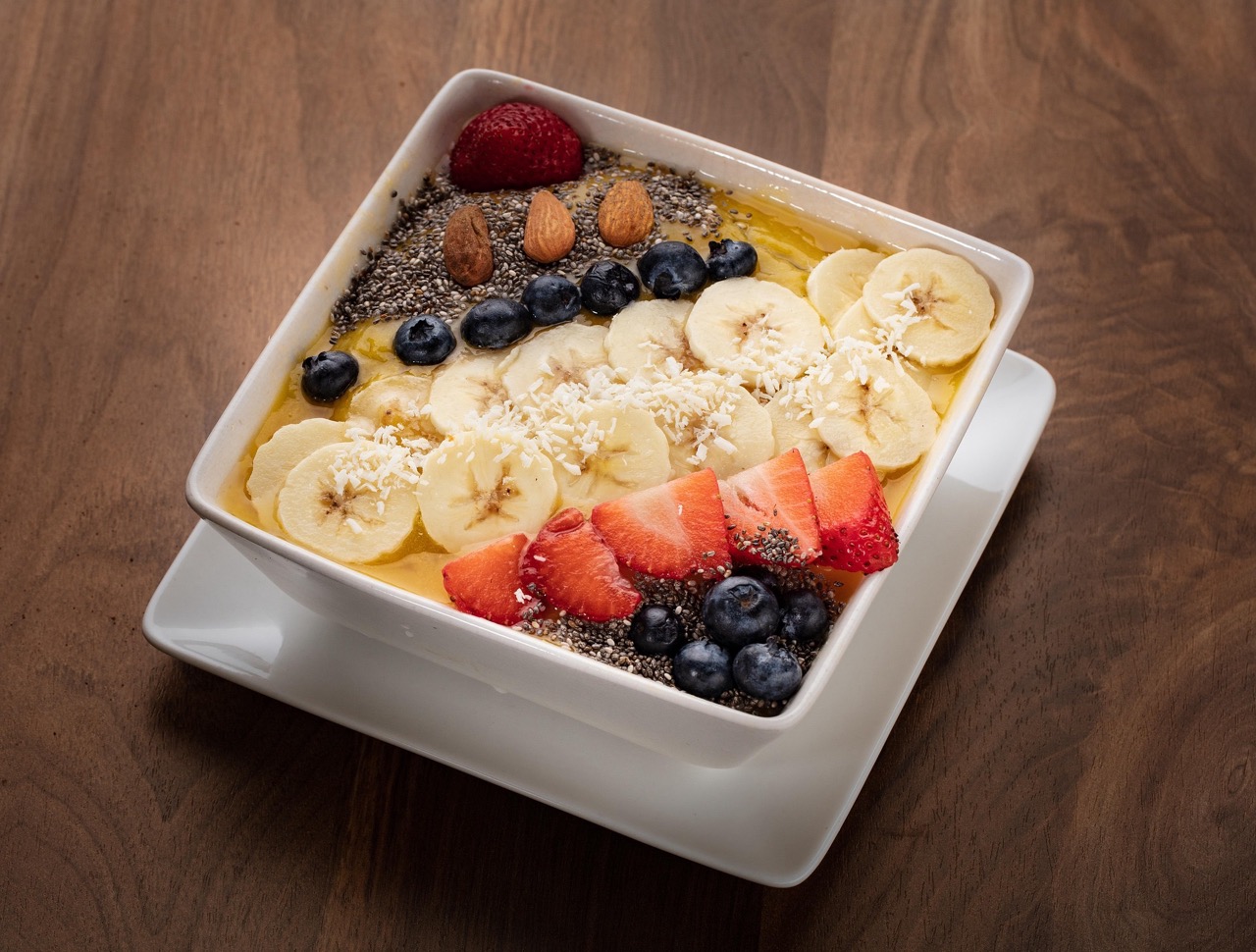
Thirty grams is the threshold where muscle protein synthesis is fully switched on, and spreading it evenly across the day produces about 25% more 24-hour synthesis than back-loading at dinner. For active women, that works out to roughly 1.4-1.8 g per kg of bodyweight - for a 60 kg rider, 90 to 110 g a day in even portions. Eggs, Greek yoghurt, lentils, sardines, chicken thighs, a scoop of unsweetened whey or pea protein in a smoothie - pick what suits you and bring it to every plate.
2. Calcium - and not only from cows.
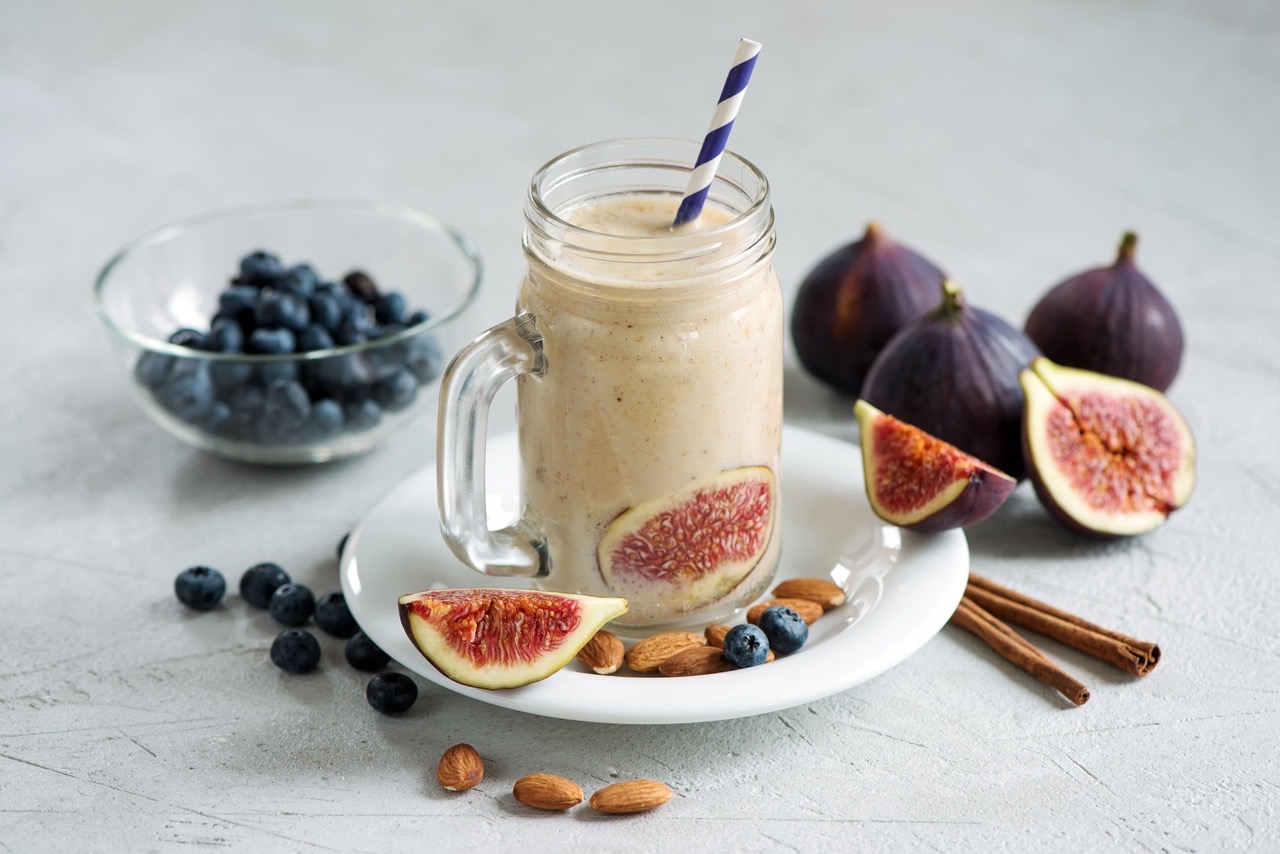
Tinned sardines and salmon (with the soft bones, please - that's where the calcium is), tahini through dressings, almonds, kale, bok choy, fortified soy milk, and a generous bowl of natural Greek yoghurt if dairy still works for you. A note on dairy: fermented forms like yoghurt and kefir are largely pre-digested by their cultures - much easier on the gut, and packed with calcium and protein. Cow's milk can be difficult for the gut to digest - fortified soy milk is the cleanest swap - comparable calcium and a respectable 7-8 g of protein per cup. Sheep and goat cheese is easier on the digestion and dairy.
3. Vitamin D - sunshine plus a year long backup plan.
Twenty minutes of bare arms and legs before midday is best. But February training camps, sunscreen and indoor turbo sessions all eat into your stores. Eggs, oily fish and a daily 1,000-2,000 IU supplement are reasonable insurance through winter. A blood test once a year is the only way to actually know.
4. Vitamin K - and yes, the prunes are real.
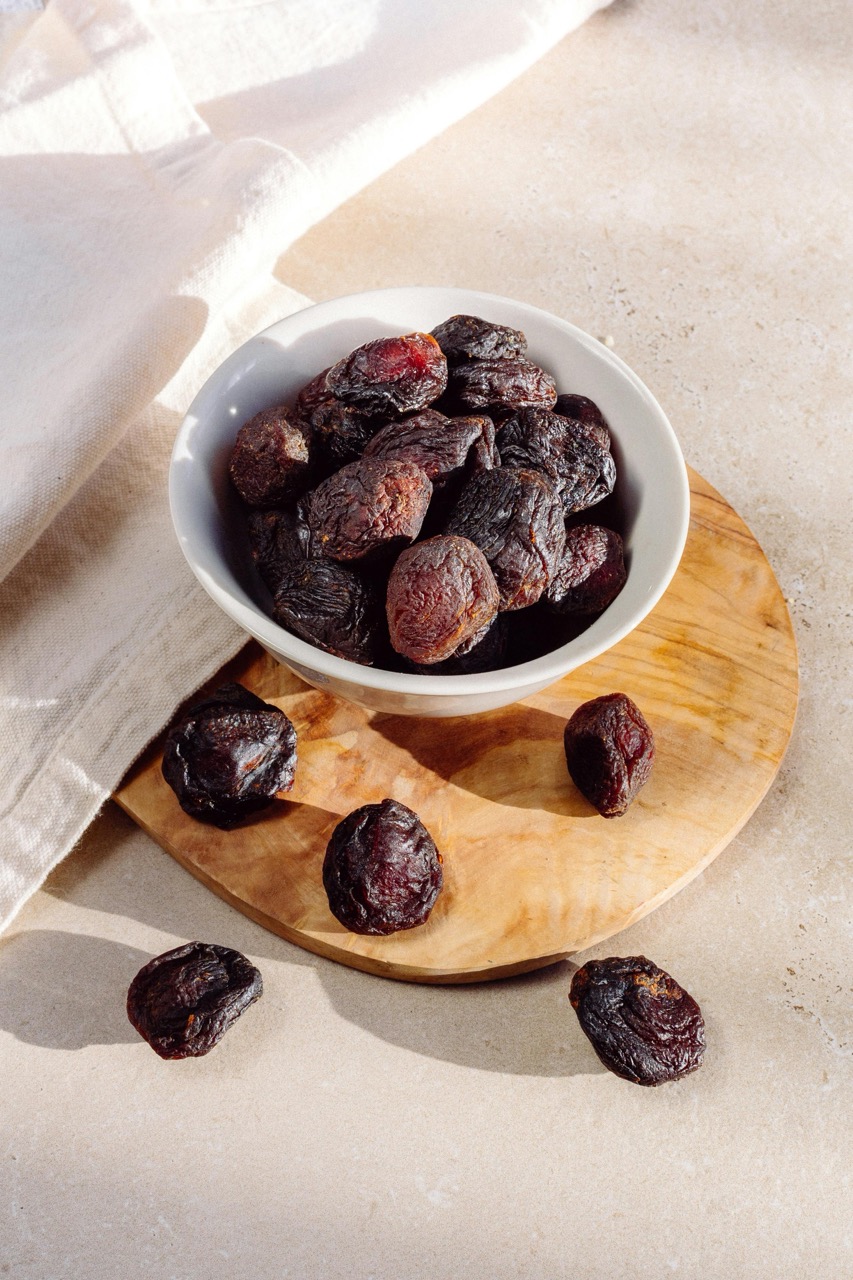
A 12-month randomised trial in postmenopausal women found that 50 g of prunes a day (about 5–6) preserved hip bone density, while the control group lost it. Vitamin K1activates osteocalcin to lock calcium into bone . Pair six prunes a day them with leafy greens for optimum absorption- kale, chard, or wild rocket for K1, and a little aged cheese for K2.
5. Magnesium and potassium - the quiet supporters.
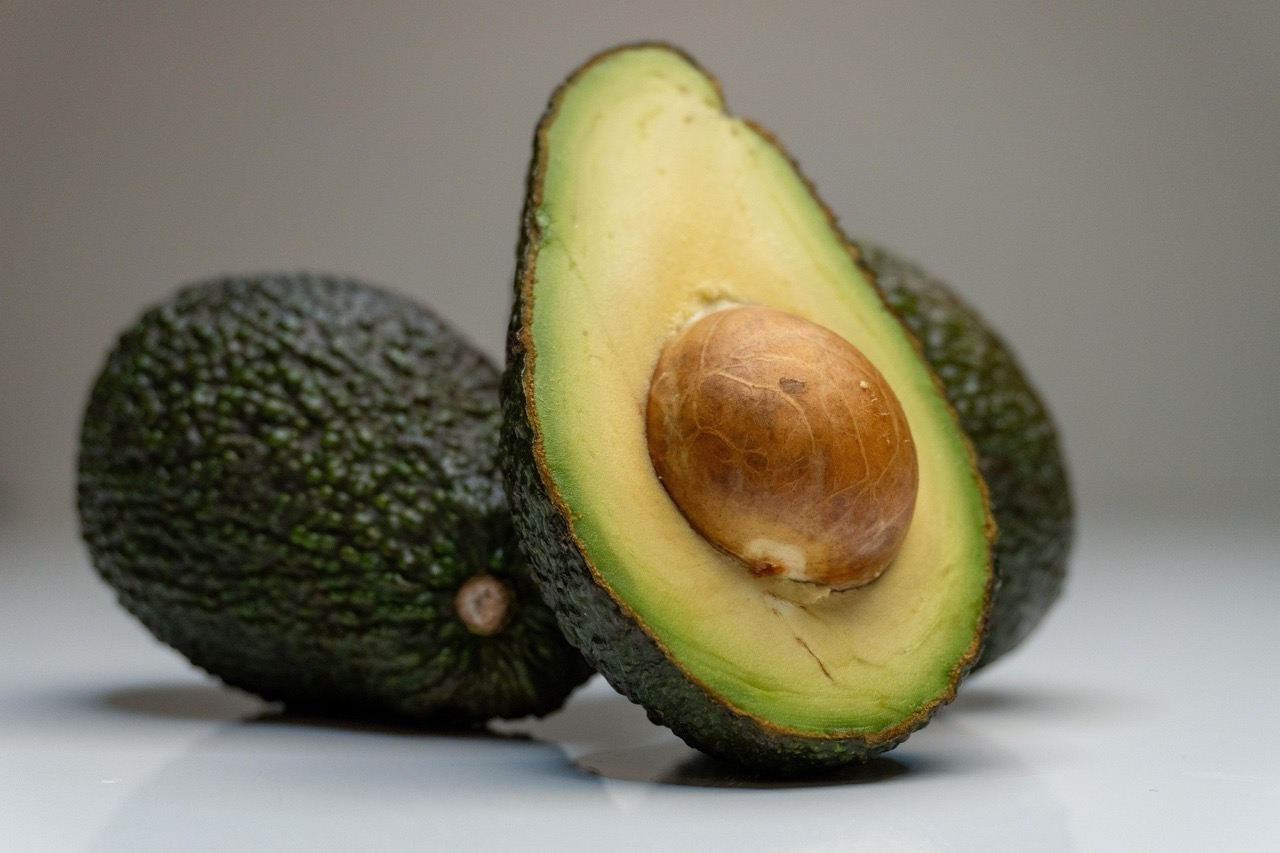
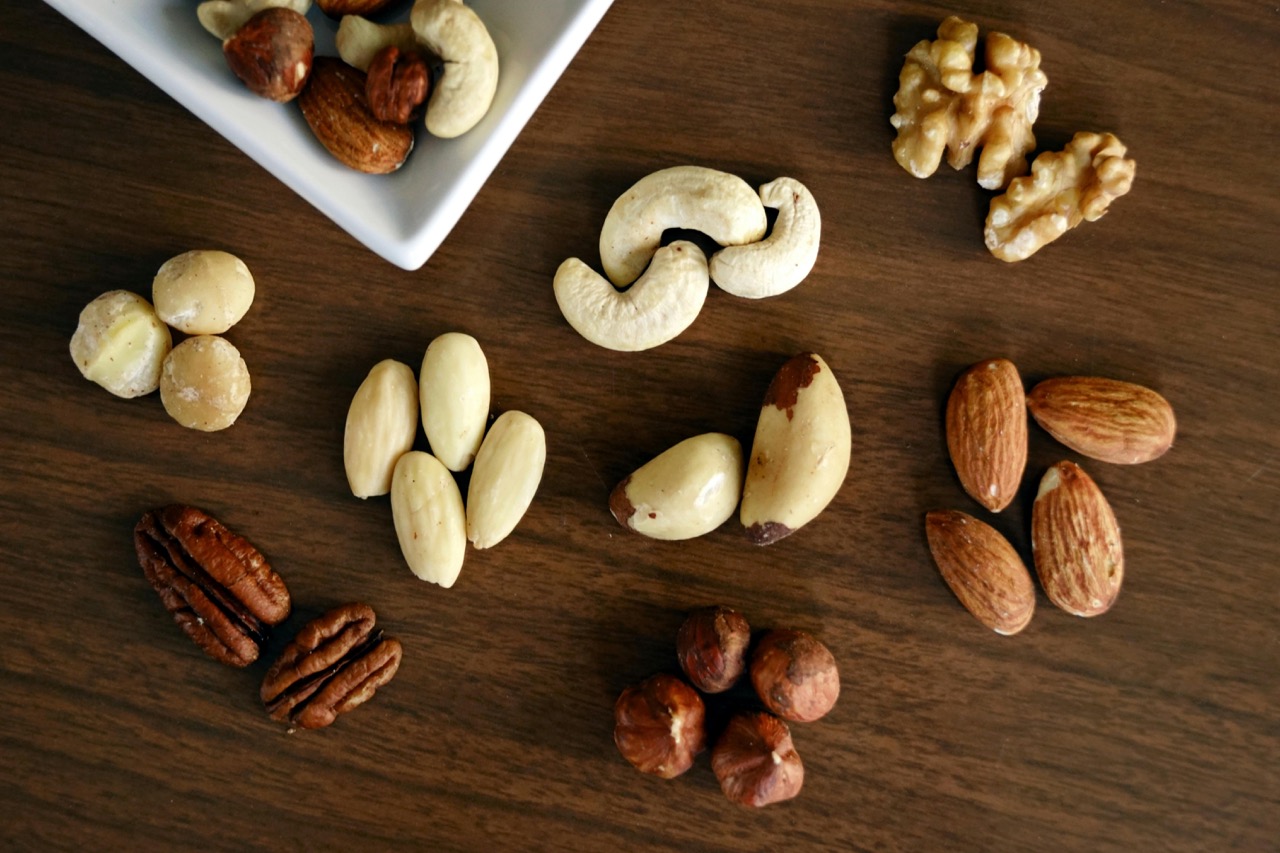
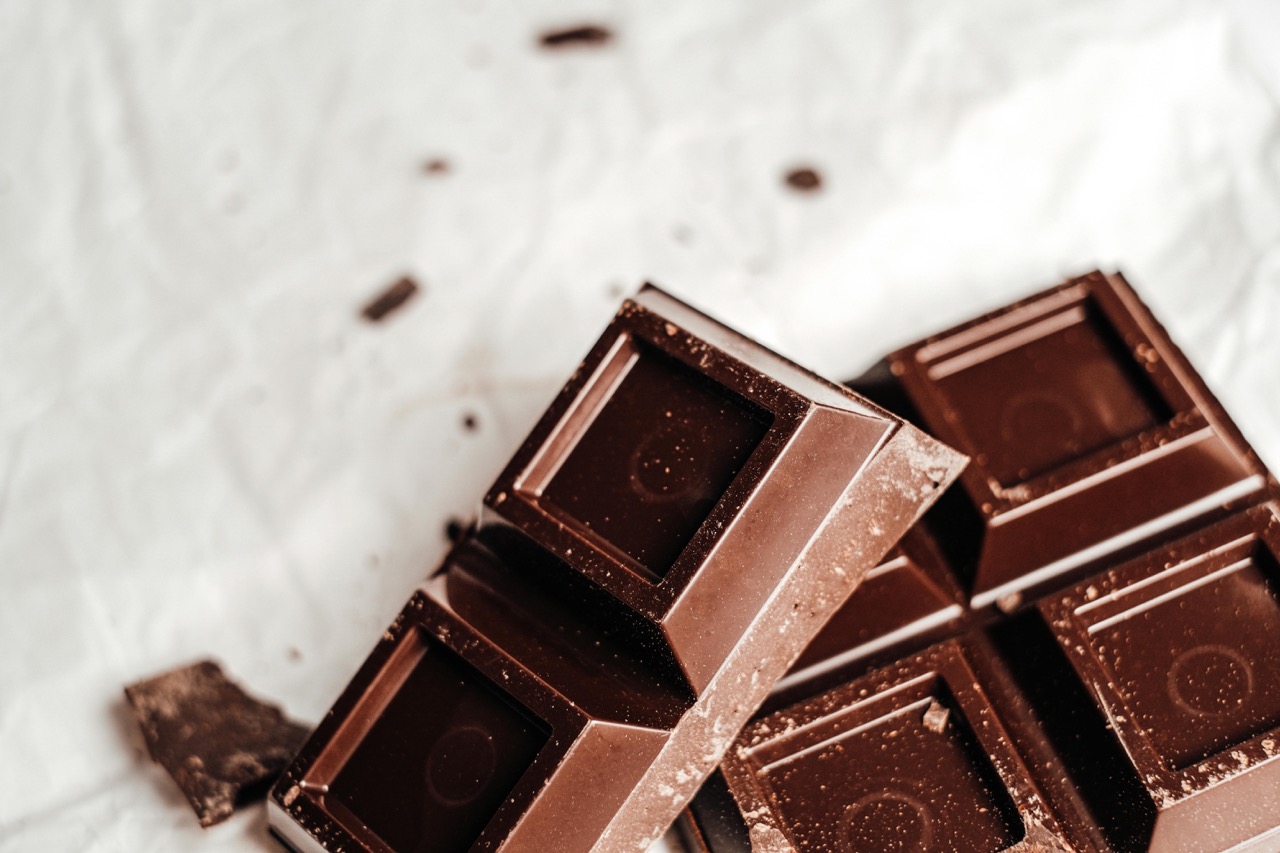
Magnesium supports more than 300 enzymes, including bone mineralization. Pumpkin seeds, almonds, dark chocolate (yes), black beans and oats (gluten free if intolerant) are reliable sources. Potassium helps buffer the acid load of a high-protein training diet - find it in avocados, sweet potatoes, white beans and bananas. None of this requires supplements if your plate looks like a Mediterranean market.
Optimising your supplements: form and absorption
If food doesn't quite get you there, the form you choose and what you take it with matter as much as the dose. There's a word for this - bioavailability - and it simply means how much of what you swallow actually makes it into your bones and cells, rather than passing straight through.
- Vitamin D should be D3, not D2. D3 (cholecalciferol) is the form your body makes from sunlight and is far better at lifting and holding blood levels. It's fat-soluble, so take it with a meal containing some fat - eggs, avocado, olive oil, oily fish – particularly sardines.
- Calcium citrate beats calcium carbonate for most women. Citrate absorbs with or without food; carbonate needs stomach acid, so it's the wrong choice if you take acid-blockers. Either way, split the dose - your body can only absorb about 500 mg at a time.
- Add Vitamin K2 (MK-7) when you supplement calcium. This is the cofactor most people miss, and it addresses the cardiovascular concern you may have read about with calcium. K2 directs calcium into bone and away from arteries. Aim for 90-180 mcg a day, or eat Japanese natto, hard cheeses and egg yolks.
- Magnesium activates Vitamin D. A deficiency in one quietly undermines the other. Magnesium Glycinate or citrate forms are gentler than oxide.
- Mind the spacing. Don't take calcium with iron supplements or thyroid medication - leave four hours between. Coffee and tea reduce calcium absorption too, so save them for an hour after.
Put simply: D3 + K2 (MK-7) + magnesium with a meal containing fat, and calcium as citrate split across the day. Before adding anything new, a chat with your GP and a baseline vitamin D blood test will tell you what you actually need.
A quick word for the men
Most of this still applies – 30 grams of protein per meal, vitamin D, magnesium, weight-bearing cross-training. The differences are matters of degree:
- Calcium drops to around 1,000 mg a day for men, still well above what most actually eat.
- Iron is far less of an issue without monthly losses - don't double up on iron supplements unless tested.
- Energy intake is usually the bigger fix; a lot of men under-fuel volume rides without realising, and testosterone and bone density both suffer when energy availability drops. If you haven’t recently had a testosterone test – it’s wise to have an annual test.
- Prunes still help. The original studies focused on postmenopausal women, but newer work suggests the anti-inflammatory benefits cross over.
Putting it together in the two weeks before the start
Train hard, eat consistently, sleep more than you think you need. Front-load each meal with protein, finish each one with something colourful from the garden or local market (preferably organic), and treat the prunes and the sardines as small daily rituals rather than chores. The 6 Points doesn't reward heroics on race day - it rewards the woman or man who arrived on the start line built from months of unglamorous, well-fed work.
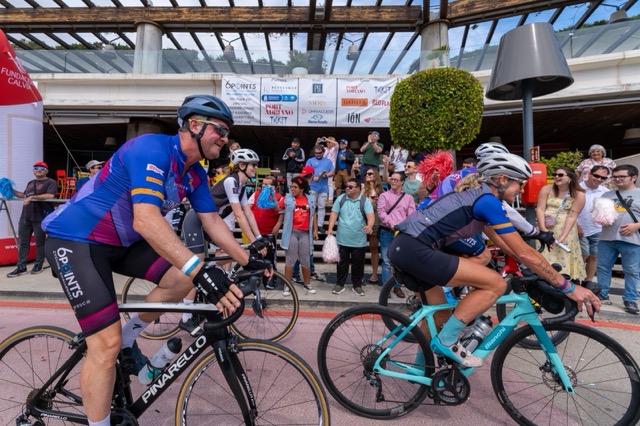
If you haven't signed up yet and are interested in joining us check out: https://6pointschallenges.com/
Por la salud – looking forward to seeing you at Port Adriano!
* * * * * *
PS
Build Your Protein - Seeds Protein For Bone Health
How do you fuel your body for something physically demanding? I would love to hear what works for you in the comments.
Further Inspiration:
Mallorca Cycling Challenge with Heart · A Taste of True Mallorca · 6Points Mallorca 2026 · Anti-Ageing Seeds · What Is Osteoporosis? · The Right Cheeses for Healthy Aging

Disclaimer: Amanda is a wellness writer, not a medical professional. This article is for general information only and is not medical advice. Where research is referenced, the sources are linked for you to explore. Always talk to a qualified healthcare professional about your own situation before making any changes, as individual needs vary.
0 Comments