


Cheese is one of life’s simple pleasures. Creamy, crumbly, sharp, or mellow, it brings comfort and depth to meals. But as we age, our bodies change - digestive capacity slows, immune systems weaken, and the balance between what delights our tastebuds and what nourishes our health becomes increasingly important.
A recent YouTube video caught my eyer, by health educator Barbara O’Neill titled “Over 60 - 4 Cheeses You Should NEVER Touch and 4 You MUST Eat Daily!” I personally am interested in all aspects of wellness, but do not profess to being a trained dietitian. I love collecting tips from all the health gurus we have available at our fingertips, and felt it worth sharing since most of us love a bit of cheese!
Of key interest, highlighted by O’Neill, is how certain cheeses can pose real risks for older adults (as our stomachs become more sensitive with age), while others may help safeguard muscles, bones, and gut health. Her insights shed light on how we can still enjoy cheese, but with greater awareness of which varieties support wellbeing and which can quietly undermine it.
The Four Cheeses to Avoid
1. Soft-rind - such as Brie and Camembert
That familiar white rind, created by Penicillium candidum, gives these cheeses their distinctive flavour and texture. But it also creates the perfect environment for the dangerous bacterium Listeria monocytogenes. Unlike many microbes, listeria can survive - and even multiply - in the refrigerator. It can cause severe illness such as meningitis or septicemia, and because symptoms may take weeks to appear, tracing the source can be difficult.
While pasteurisation kills bacteria during production, recontamination can easily occur during aging or handling. For younger, healthy adults the risk is small. For seniors, however, where immunity may be compromised, the consequences can be very serious.
2. Queso Fresco
This fresh Latin American cheese is often made with raw, unpasteurised milk, leaving it vulnerable to deadly bacteria like E. coli. Even pasteurised versions can quickly become unsafe if stored incorrectly, as their high moisture content provides an ideal breeding ground for harmful microbes.
3. Feta
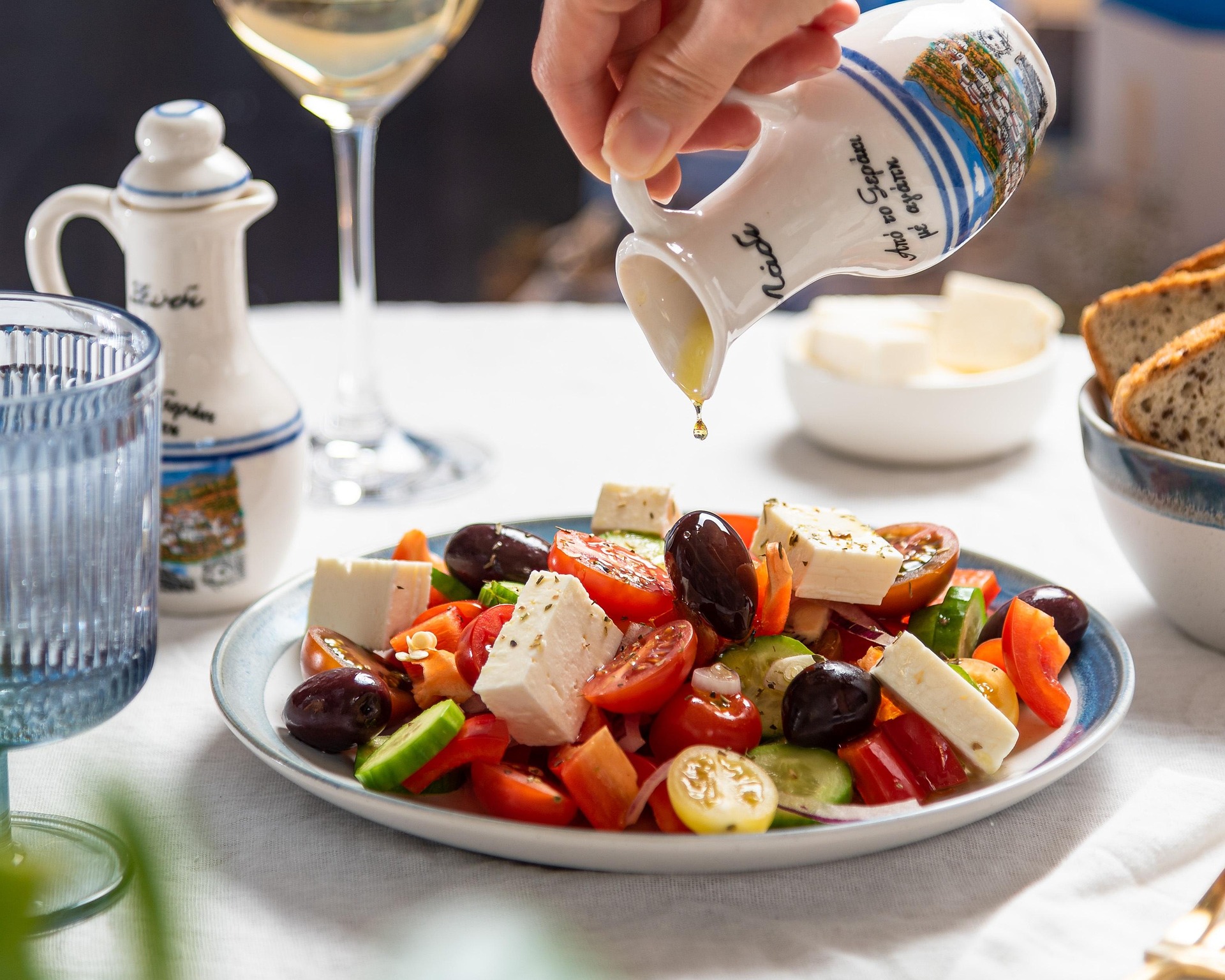
Feta’s crumbly, salty tang makes it a popular topping for salads and mezze plates. But that delicious creaminess comes with a sodium load that can stress the heart and arteries. Sprinkled liberally, as in a normal restaurant serving, it can be a time bomb - particularly for those with hypertension or age-related decline in kidney function. On a positive note, if you choose a traditional block-style feta, and use it sparingly, you can gain the natural pro-biotic benefits, without suffering the sodium assault.
4. Ultra-processed Cheeses - pre-sliced or shredded, aerosol, cheese spreads
While convenient, these cheeses contain lots of artificial flavours and additives, are high in sodium, and non-dairy fats, and can exacerbate blood pressure issues and contribute to inflammation. Cheddar-style shreds are loaded with anti-caking agents, aerosols are full of hydrogenated oils and stabilisers, artificial ingredients and preservatives, and spreads are full of fillers, modified starches and whey powders.
The Four Cheeses to Choose
1. Swiss Cheese - The Probiotic Powerhouse

Mild and nutty, Swiss cheese’s distinctive holes are formed by a natural fermentation process. Low in sodium, but rich in vitamins A and B12, high in minerals including zinc and phosphorus, as well as protein and probiotics, it supports bone health and gut immunity without artificial additives. Probiotics act as a “second immune system,” fortifying the body’s natural defenses - especially crucial for older adults. It also contains conjugated linoleic acid (CLA), a fatty acid that has been linked to several health benefits offering immune system support and anti-cancer properties. Pair with fresh fruits and vegetables to balance out the calorie and fat content.
2. Cottage Cheese - The Muscle Saver
One cup delivers 28 grams of protein, keeping a steady stream of amino acids flowing for hours. Its high leucine content triggers muscle growth, helping to preserve lean mass - a key factor in maintaining independence with age. Cottage cheese is naturally low in lactose and, when chosen in its low-sodium version, supports bone health without overburdening the kidneys. Pairing it with vitamin C - rich berries can boost collagen production, while probiotics enhance gut health. A sprinkle of flaxseeds adds omega-3s for extra anti-inflammatory protection.
3. Parmesan - The Bone Fortifier
Born from the lush landscapes of Italy, Parmigiano-Reggiano stands as a testament to simplicity and flavour. Made from just milk, salt, and rennet, this aged cheese carries an intense flavour profile that’s naturally low in lactose. Few foods rival Parmesan’s bone-strengthening properties. It is packed with highly absorbable calcium, alongside magnesium, zinc, and Vitamin K2. Together, these nutrients work synergistically:
- K2 directs calcium into bones rather than arteries.
- Magnesium ensures proper calcium metabolism.
- Zinc bolsters immune function.
Freshly grated Parmesan is best, avoiding the additives and caking agents often found in pre-grated packets.
4. Goat Cheese - The Gut Guardian
With smaller fat molecules and 30% less lactose than cow’s cheese, goat cheese is gentler on digestion - an important advantage when 40% of older adults are lactose intolerant. Its probiotics increase beneficial gut bacteria and its anti-inflammatory benefits support overall health. Goat cheese also provides medium-chain fatty acids, offering quick energy without spiking blood sugar, and conjugated linoleic acid, which helps preserve muscle mass. Its high copper content supports brain health by reducing oxidative stress. For maximum benefits, choose aged, unpasteurised versions and pair with prebiotic foods such as whole grains to enhance calcium absorption.
A Balanced Approach
The message is not that cheese should be abandoned in later years, but rather that it should be chosen wisely. By focusing on varieties that support muscle, bone, gut, and immune health, and steering clear of those that harbour hidden risks, cheese can remain a source of nourishment and joy well into later life.
As Barbara O’Neill reminds us, it’s about aligning indulgence with wisdom. With a thoughtful approach, Cheese doesn’t have to fade from your plate as you get older. Clearly, as with all foods, cheese should be eaten in moderation, and as part of a balanced diet.
The Takeaway:
- Avoid- Soft-rind, feta, queso fresco, and ultra-processed cheeses.
- Embrace-Swiss, cottage cheese, Parmesan, and goat cheese.
- Practice portion control - limit salt-rich cheeses like feta to small, infrequent servings.
- Prioritize hydration and fresh produce - a diet rich in veggies, whole grains, and water supports digestion and balances sodium.
- Listen to your body - notice if certain cheeses trigger discomfort, bloating, or inflammation.
Your body will thank you - and your palate doesn’t have to miss out.
PM Amanda if you have a wellness story to share and follow me on IG @amandabmallorca for all things wellness in Mallorca
What is one small food swap that has genuinely changed how you feel? I am always collecting ideas in the comments.
Further Inspiration:
Best Nuts for Healthy Ageing · Nitric Oxide · Air Fryers · Wellness Real Estate · What Is Osteoporosis?

Disclaimer: Amanda is a wellness writer, not a medical professional. This article is for general information only and is not medical advice. Where research is referenced, the sources are linked for you to explore. Always talk to a qualified healthcare professional about your own situation before making any changes, as individual needs vary.


0 Comments