

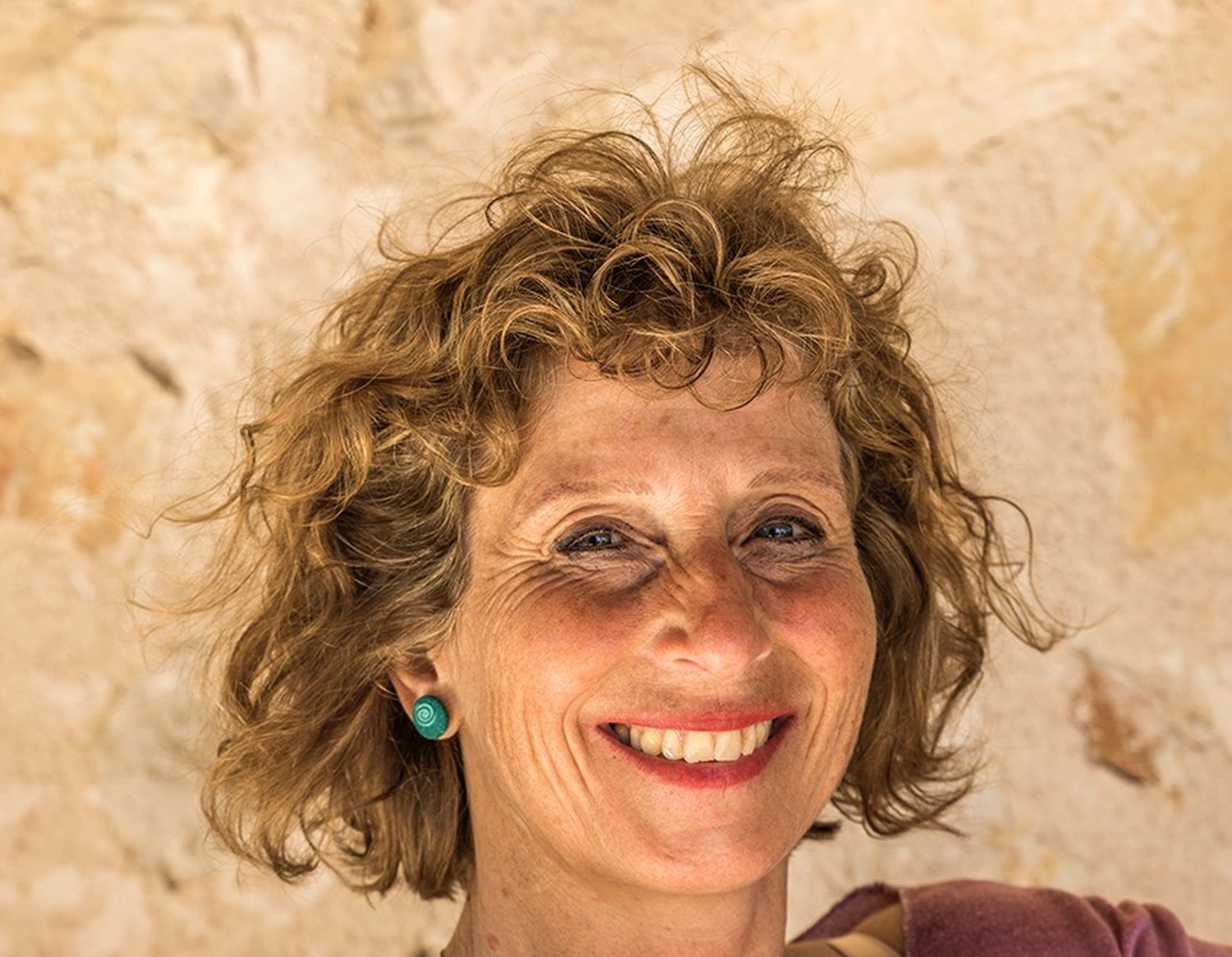
Mallorca-based therapist and energetic coach Silke Maria Haas has distilled more than three decades of therapeutic experience into her book Heal and Empower Your Life: A Practical Guide for a Happier and Healthier Life. It offers a distinctive approach to energetic healing and is intended to help us recognise what drains us, reconnect with ourselves and become more active participants in our own wellbeing.
There can come a point in life when, outwardly at least, everything appears fine, yet something inside us feels distinctly out of balance.
We sleep but wake up tired. We find ourselves giving endlessly to work, family or relationships while receiving what feels like very little in return, sometimes even from ourselves. We question our decisions, feel emotionally depleted or simply sense that the life we are living no longer fits quite as comfortably as it once did.
Nothing necessarily appears dramatically wrong. We may be functioning perfectly well, meeting our responsibilities and presenting a capable face to the world. Yet, beneath it all lies a persistent feeling of disconnection.
This quiet sense of something being ‘off’ lies at the heart of Heal and Empower Your Life: A Practical Guide for a Happier and Healthier Life with Energetic Coaching, a book by Mallorca-based osteopath, naturopath, craniosacral therapist and energetic coach Silke Maria Haas.
Her central message is simple: before continually searching outside ourselves for another person, product or practice to fix us, perhaps we need to learn how to listen more closely to what our own bodies, emotions and intuition are already communicating.
From Physical Therapy to Energetic Coaching
Silke Maria first came to Mallorca in 1998 following an invitation from a distant family member. She subsequently built both her life and therapeutic practice on the island.
Her professional background includes osteopathy, naturopathy and craniosacral therapy. Through this work, she became increasingly interested not only in relieving physical pain, but also in how a person’s mental, emotional and wider life experiences can affect their sense of wellbeing.
“I have always been aware of the innate healing powers of the body and the capacity of each person to contribute to their own healing,” she explains.
“Our inherent wholeness is always present within us. Self-healing consists of reconnecting to that wholeness.”Silke Maria Haas
This does not mean that we can simply think ourselves well, or that professional healthcare is unnecessary. Rather, Silke’s philosophy is that individuals can play a more conscious role in supporting their wellbeing, learning to recognise their needs, reactions, boundaries and habitual patterns. Her experience and therapeutic tools gradually came together to form her energetic coaching approach, which she began formalising in 2018.
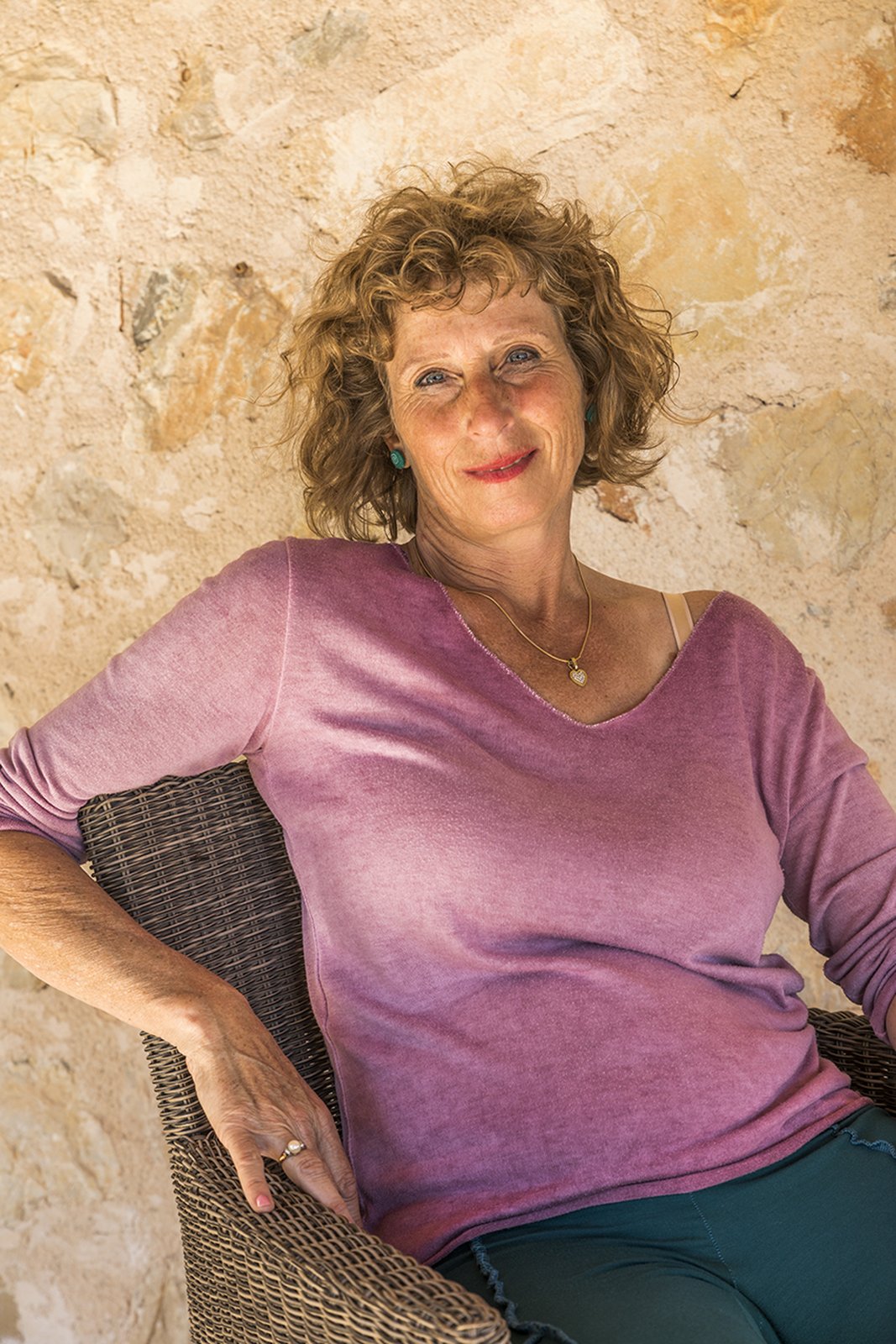
Behind the Mallorca Dream
Living in Mallorca is undoubtedly a privilege. We have the sea, sunshine, nature and a slower Mediterranean rhythm, all the ingredients, seemingly, for a naturally relaxed and happy life.
Yet within her practice, Silke sees another side of island living. Behind the postcard image, many people are living far from their extended families and the support of their original ‘tribe’. They may be navigating language and cultural differences, experiencing isolation or struggling with anxiety, relationship difficulties and the pressure to succeed.
It is perfectly possible to appear to ‘have it all’ on the outside while feeling unhappy or disconnected from our own nature. This phenomenon is, of course, not unique to Mallorca. Modern life encourages us to measure success through what can be seen from the outside: our careers, homes, relationships, appearance, productivity and lifestyle.
But external success does not automatically create internal fulfilment. Sometimes the more efficiently we learn to function, the easier it becomes to overlook exhaustion, emotional disconnection or the growing realisation that we are living according to other people’s expectations.
Has the Wellness Industry Made Wellbeing More Complicated?
We have access to more health and wellness information than ever before. Social media introduces us to therapies, teachers, supplements, courses, retreats and self-development programmes from all over the world. This can be wonderfully educational. It can help people discover useful practices, understand their health more fully and feel less alone.
But the sheer volume of information can also become overwhelming. We may find ourselves moving constantly from one expert, method or wellness trend to another, buying more products and enrolling in more programmes without ever pausing long enough to ask what we genuinely need.
“Looking for the solution outside ourselves and only relying on outside help can inadvertently disempower us.”Silke Maria Haas
There is an important distinction here. Seeking appropriate medical, psychological or therapeutic support is not disempowering. Outside help can be essential. The difficulty arises when we surrender all responsibility for our wellbeing, or become dependent upon someone else to provide every answer. Silke’s book aims to bring some of that focus back to the individual.
What Is Energetic Healing and Energetic Coaching?
The word ‘energy’ can mean very different things in different contexts, which is one reason energetic healing can provoke scepticism. In biology, energy refers to measurable processes within the body, including the production of ATP within our cells. In traditional healing systems, terms such as “Chi” or “prana” describe the concept of vital energy. Other complementary approaches refer to the human energy field or Aura, or the energy we perceive in people and places.
These concepts should not all be treated as scientifically interchangeable. Some are measurable biological processes, while others arise from traditional, spiritual or metaphysical frameworks. Silke distinguishes between these different meanings in her book and encourages readers to explore the subject through their own experience rather than asking them to adopt a particular belief system.
“I welcome scepticism,” she says. “If someone is open, I invite them to experience their own energetic perception in a tangible way.” If you are curious to experience energy work for yourself, it is often something you only really understand by trying it.
In everyday terms, energetic awareness may begin with something very familiar: noticing how you feel around certain people, in particular environments or after specific activities. Do you feel calm, expanded and energised, or tense, depleted and contracted? Does a commitment feel genuinely right, or does your body tighten at the thought of it? Are you agreeing to something because you want to, or because you are frightened of disappointing someone?
Such observations do not require a belief in chakras, auras or spirituality. They begin with paying attention to physical sensations, emotions and habitual responses.
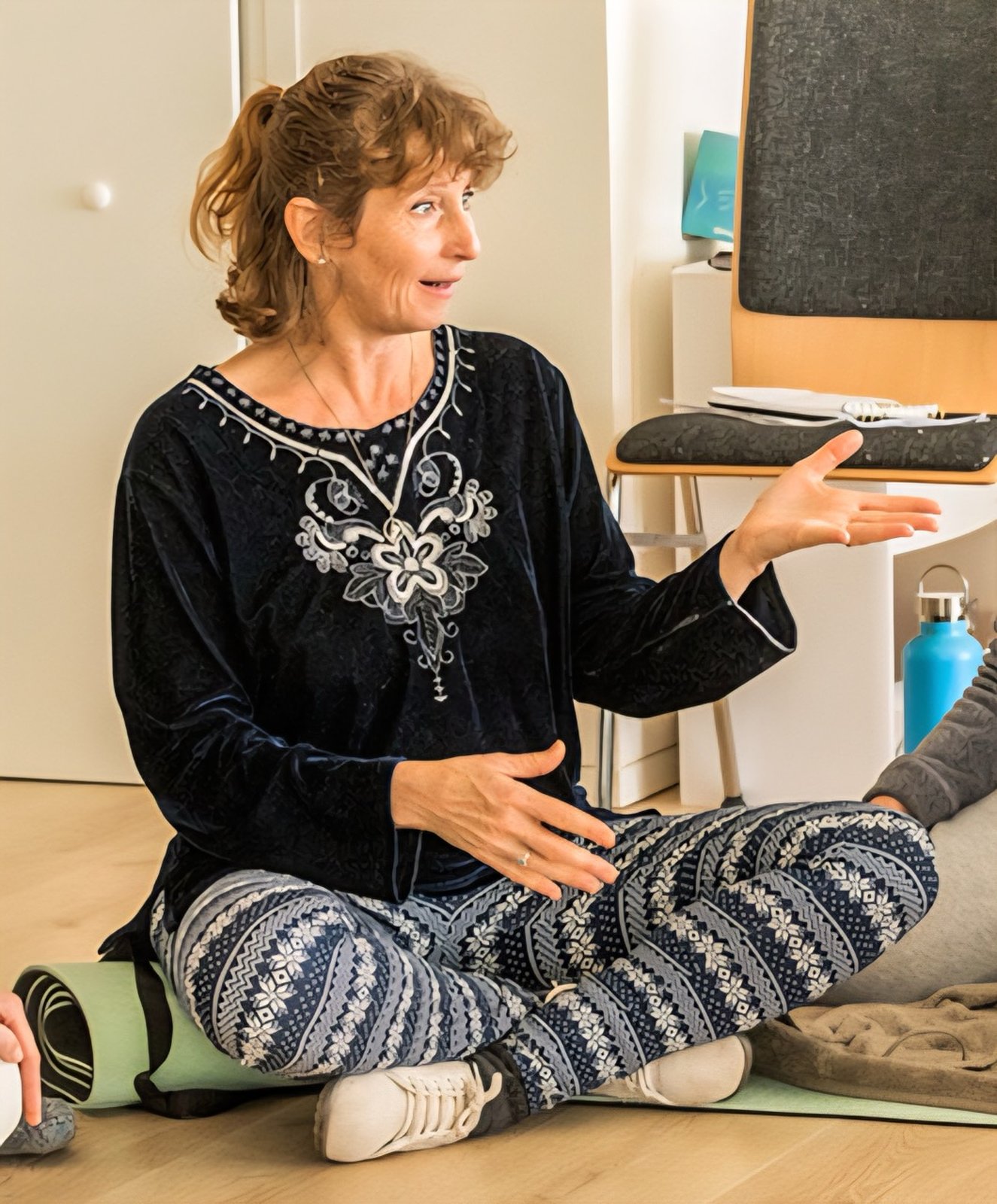
Recognising What Drains Your Energy
Feeling drained is not always caused by doing too much. It can also arise from the way we are doing it. Constantly suppressing emotions, maintaining weak boundaries or saying yes when we mean no can all be exhausting. So can overthinking, people-pleasing and continually questioning our own decisions.
Silke suggests becoming curious about the patterns behind these responses. Many of the things that keep us feeling stuck may be connected to learned conditioning, unresolved experiences or limiting beliefs, ideas about ourselves and the world that we accepted long ago and rarely stop to question. For example:
- Do I believe I must always put other people first?
- Do I associate rest with laziness?
- Do I feel responsible for everyone else’s happiness?
- Am I afraid that setting a boundary will appear as selfish?
- Am I pursuing this goal because I genuinely want it, or because it represents someone else’s idea of success?
Awareness does not resolve every difficulty immediately, but it can interrupt an automatic pattern and create space for a more conscious choice.
Can Energetic Healing Complement Conventional Healthcare?
Silke is clear that energetic coaching should complement conventional healthcare rather than replace it. Any persistent or concerning physical or psychological symptom should be properly assessed by an appropriately qualified healthcare professional. Tiredness, anxiety, low mood or unexplained pain can have numerous causes and should not automatically be attributed to ‘blocked energy’.
Energetic coaching is not a diagnostic tool, nor does Silke promise that it will cure a medical condition. She describes its role as supporting the individual during recovery, encouraging self-awareness and helping people develop practices that may contribute to their overall wellbeing. She sees particular potential for complementary approaches alongside conventional treatment when stress and emotional wellbeing are affecting a person’s quality of life.
This integrative position is important. Empowerment should never mean blaming someone for becoming ill or suggesting that negative thinking caused their condition. Nor should ‘listening to your body’ replace medical testing where it is needed. True empowerment includes common sense and knowing when to seek professional help.
A Book Designed to Be Experienced
Although Silke loved writing and dreamt of becoming a writer as a child, Heal and Empower Your Life took five years to complete. Writing the book required her to step beyond the relative privacy of working one-to-one with clients and make both herself and her ideas more visible.
During that process, she found herself applying many of the same methods explored in the book, addressing her own limiting beliefs and using conscious intention to structure, formalise and eventually share her work.
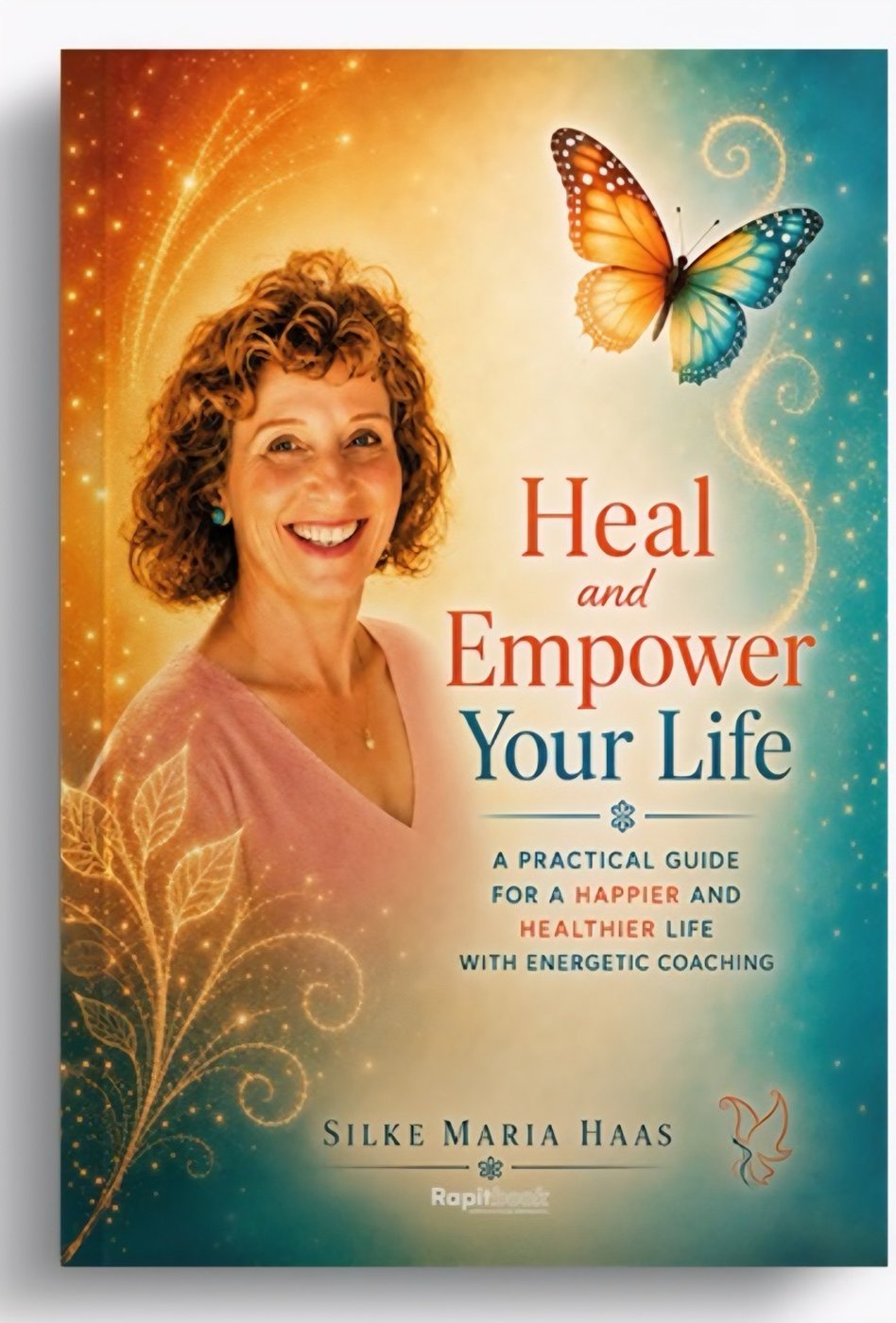
Across 13 chapters and 376 pages, Silke explores the body, mind, emotions and intuition. She introduces processes intended to help readers recognise limiting beliefs, understand recurring patterns and investigate the subconscious blockages that may contribute to feeling stuck.
“The book is highly experiential,” she explains. “I invite people to be curious and open enough to try the exercises and find out their own truth. It is designed equally for newcomers, readers with previous experience in energy work, and therapists and healers. The book can be read at any level and explored in different depths.”
Although it can be read simply for interest, Silke recommends pausing to try the exercises rather than rushing from one chapter to the next. Her message is refreshingly free from promises of instant transformation: no belief system is required, and no one else can do all the work for us. Instead, the book offers an invitation to become curious, listen more closely and discover what feels true through our own experience.
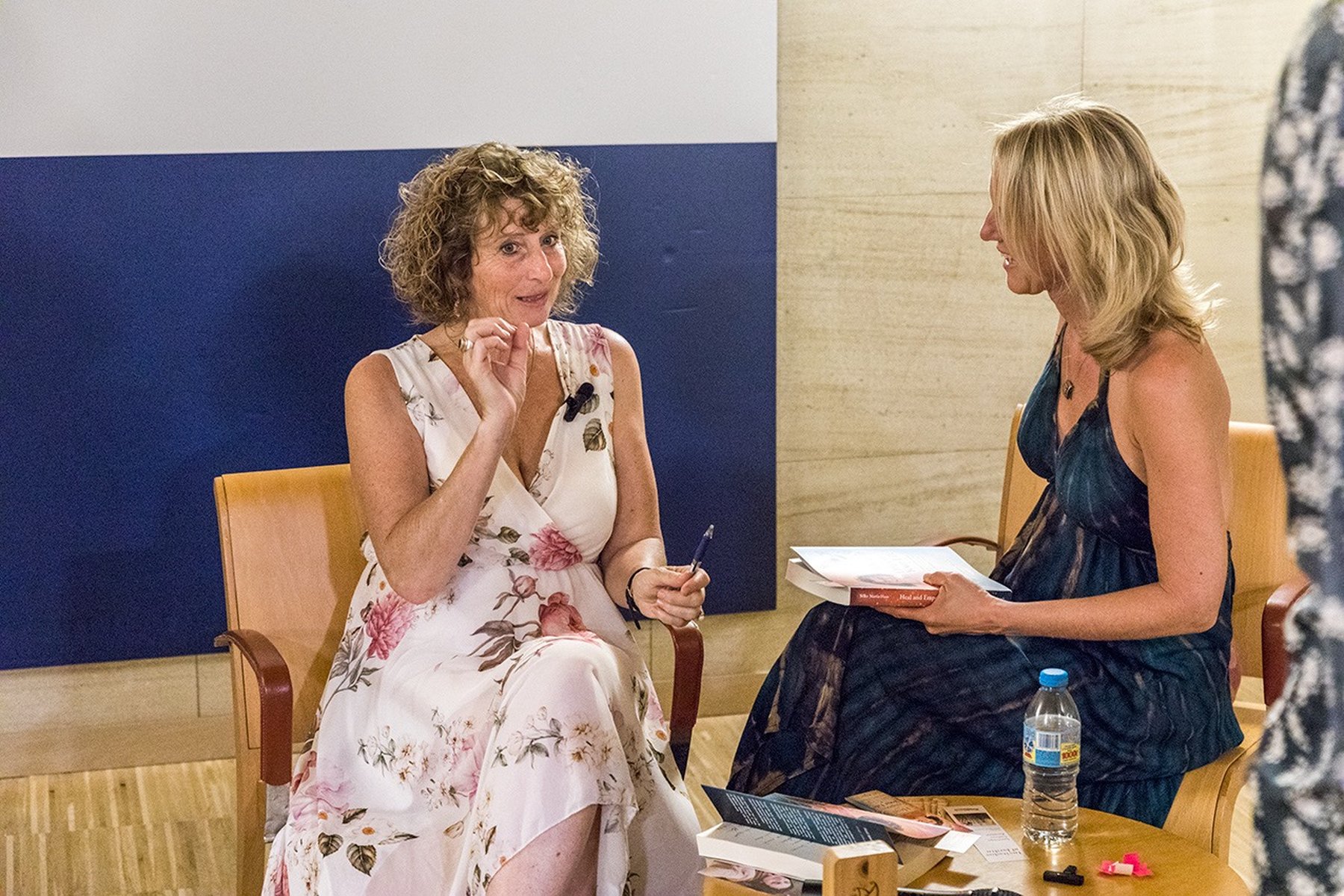
Five Ways to Reconnect With Yourself Today
You do not necessarily need a complicated routine, expensive retreat or dramatic life overhaul to begin reconnecting with yourself. These five simple everyday wellness practices are inspired by Silke’s approach.
1. Ground Yourself Through Your Feet
Place both feet firmly on the floor and bring your attention to the sensation of contact beneath them. Imagine roots extending from your feet into the earth. Whether you interpret this energetically or simply as a visualisation, the intention is to draw your attention away from racing thoughts and back towards your body and immediate surroundings. It is a small daily way of reconnecting with nature and with yourself.
2. Return to Your Breath
During a moment of overwhelm, pause for several slow, conscious breaths. Allow the breath to expand gently into the lower ribs and abdomen rather than lifting only the upper chest. Breathe comfortably through your nose if this is accessible to you, then soften your body slightly as you exhale. Avoid forcing an unnaturally deep breath. The purpose is to slow down and reconnect, not to perform the exercise perfectly.
3. Change Your Physical State
Our physical posture and emotional state can influence one another. Try sitting or standing a little taller, releasing your shoulders, lifting your arms or allowing a gentle smile for one minute. Then notice what, if anything, changes. This is not about masking difficult emotions or pretending to be happy. It is simply an experiment in using the body to interrupt a fixed state.
4. Conduct an Energy Audit
Ask yourself: what is nourishing my energy today, and what is quietly draining it? Consider your commitments, conversations, habits, environment and the thoughts repeatedly occupying your mind. You do not need to solve everything immediately. Begin by identifying one nourishing element you can create more space for and one unnecessary drain you may be able to reduce.
5. End the Day With Gratitude
Before going to sleep, pause to acknowledge something you genuinely appreciated about the day, however small. It might be a conversation, a meal, a moment in nature, something your body enabled you to do or simply the relief of climbing into bed. Writing these moments in a gratitude journal can help turn the practice into a consistent evening ritual.
From Self-Healing to Self-Empowerment
At the end of our interview, I asked Silke a final question: if readers remembered only one sentence after finishing the final chapter, what would you hope it would be?
“You can heal and empower your life,” she replied. “My book provides plenty of tools to improve your life on all levels and reclaim your birthright to become healthy, happy and fulfilled.”
“You can heal and empower your life.”Silke Maria Haas
The word ‘healing’ can carry enormous expectations. In the context of energetic healing, perhaps its most useful meaning is not a promise of curing everything that hurts us, but an ongoing process of becoming more aware, connected and involved in the way we live.
There will always be circumstances beyond our control. But we may have more influence over our boundaries, choices, habits and responses than we realise. And sometimes empowerment begins with something very small: noticing what we feel, listening without judgement and giving ourselves permission to respond.
Heal and Empower Your Life by Silke Maria Haas is published in English by Mallorca-based publisher Rapitbook and is also available on Amazon. Further information about Silke’s therapeutic work can be found at Crazy Healing and through her non-profit association, the Empower Your Life Institute.
Key Takeaways
- You can appear to ‘have it all’ and still feel depleted; external success does not automatically create inner fulfilment.
- Constantly looking outside ourselves for the next fix can quietly disempower us; energetic coaching brings the focus back to what our body and emotions are already telling us.
- Energetic coaching is complementary, not a replacement for medical care; persistent or concerning symptoms always deserve professional assessment.
- You can start today with simple, cost-free practices: grounding, conscious breathing, an energy audit and an evening gratitude ritual.
When did you last pause to ask what is quietly draining your energy, and what is quietly restoring it? I would love to hear the one small change that made a difference for you, and you can share it in the comments below.
Read & add your comment ↓Further Inspiration:
My 8 weeks of energy medicine · Everyday wellbeing habits · Reconnecting with nature

As featured in the Mallorca Bulletin
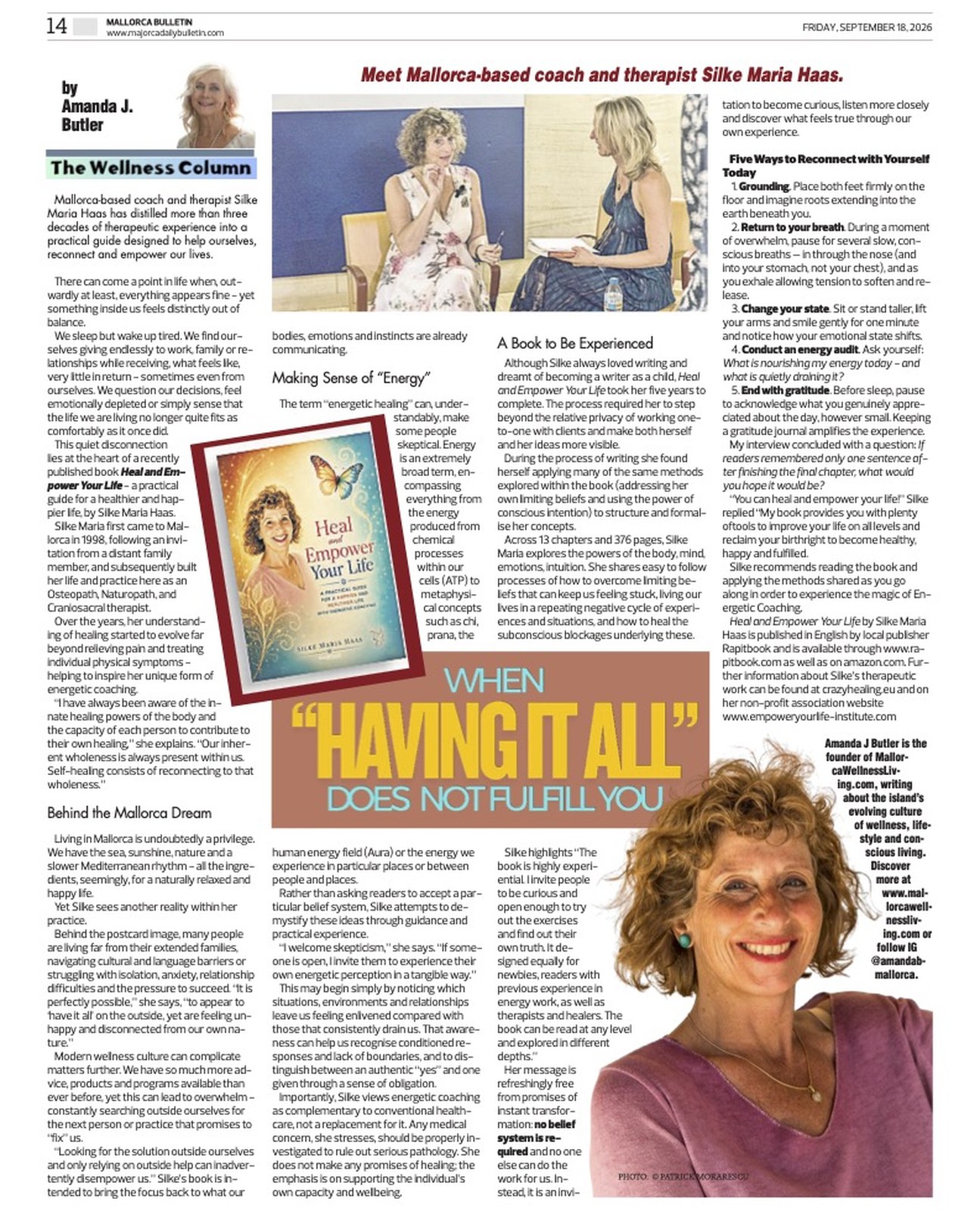
This interview first appeared in Amanda’s Wellness Column in the Mallorca Bulletin. Read the original as a PDF →
Sources and Further Reading
- Heal and Empower Your Life by Silke Maria Haas. Rapitbook, 2026.
- Silke Maria Haas, energetic coaching and therapeutic practice. Crazy Healing.
- Empower Your Life Institute, non-profit association.
Frequently Asked Questions
What is energetic coaching?
Energetic coaching is a complementary wellbeing approach that encourages people to notice physical sensations, emotions, personal boundaries and habitual responses. Some practitioners also work with traditional or metaphysical concepts such as chi, prana or the human energy field. It should not be used as a replacement for appropriate medical or psychological care.
Do I need to believe in energy healing to benefit from the exercises?
No. Practices such as observing how different situations affect you, slowing your breathing, grounding your attention and examining your boundaries can be explored as self-awareness exercises without adopting a spiritual belief system.
Can energetic healing replace conventional medicine?
No. Energetic healing and coaching should be regarded as complementary practices. Persistent or concerning symptoms should be assessed by a qualified healthcare professional, and no complementary practitioner should promise to cure a medical condition.
What can cause someone to feel emotionally drained?
Possible contributors include stress, poor sleep, illness, overcommitment, difficult relationships, weak boundaries, emotional suppression and constantly acting from obligation. Ongoing exhaustion can also have medical or psychological causes and should be professionally assessed when appropriate.
Can I support my wellbeing without buying more products or programmes?
Yes. Much of Silke’s approach is about paying attention to what you already have: your breath, your body’s signals, your boundaries and your daily habits. Grounding, conscious breathing, an energy audit and a gratitude practice cost nothing and can ease the urge to keep consuming the next wellness trend.
Who is Silke Maria Haas?
Silke Maria Haas is a Mallorca-based osteopath, naturopath, craniosacral therapist, energetic coach and author. She has lived and worked in Mallorca since 1998 and is the author of Heal and Empower Your Life.
Where can I buy Heal and Empower Your Life?
The English-language book is available through Mallorca-based publisher Rapitbook and on Amazon.


A very interesting article- thank you Amanda💕
Glad you enjoyed it Dina!!