

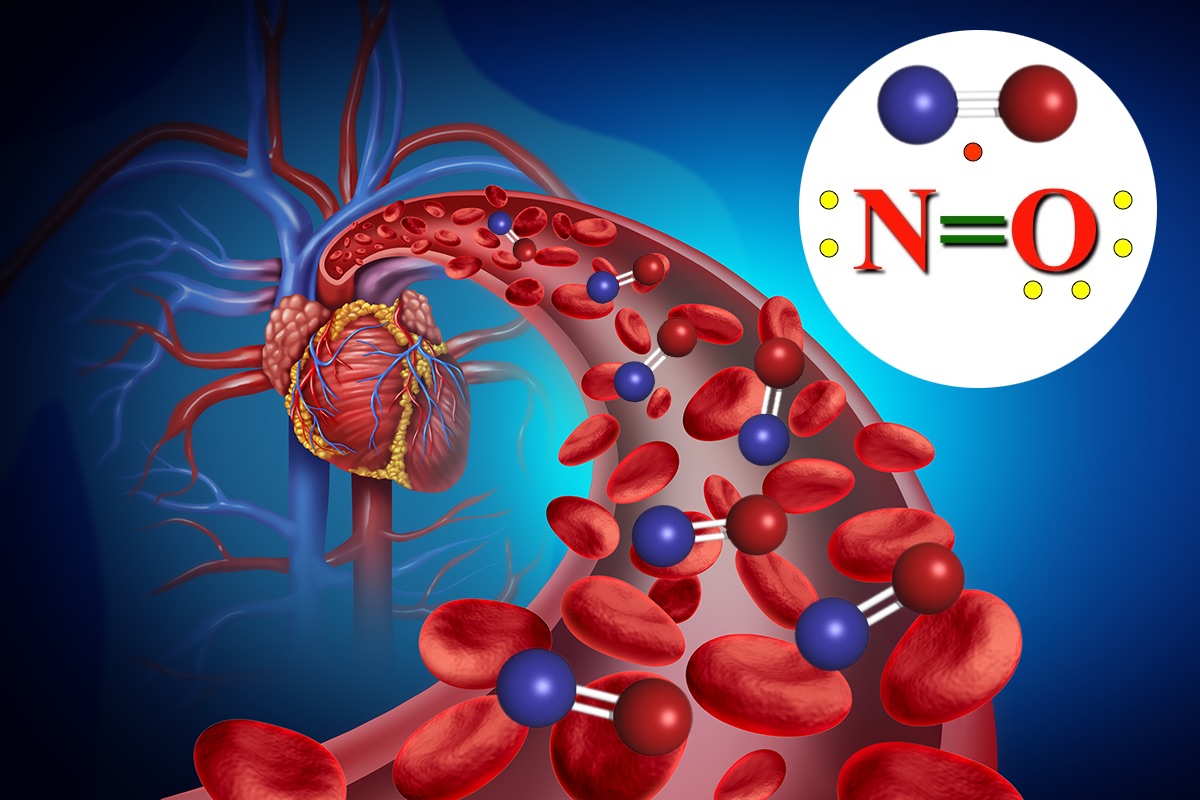
The Simple Molecule That Could Transform How We Age
In the world of wellness, we often search for complex solutions to complex problems. Yet sometimes, the most powerful answers lie in something almost invisible.
Nitric oxide.
Rarely discussed outside scientific circles, this simple molecule plays a profound role in human health - supporting circulation, brain function, hormone balance, and even the way our bodies age.
Increasingly, researchers and practitioners are asking a provocative question: Could declining nitric oxide levels be at the root of many modern diseases - including cardiovascular conditions and neurodegenerative diseases such as Alzheimer's?
What Is Nitric Oxide and Why Does It Matter for Aging?
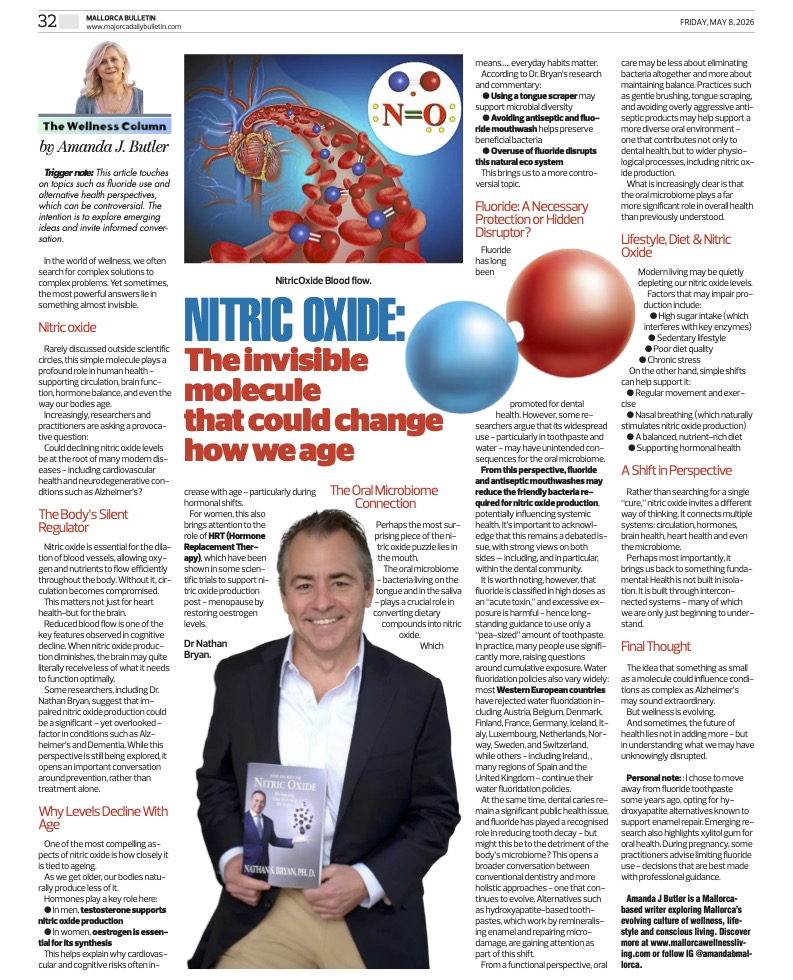
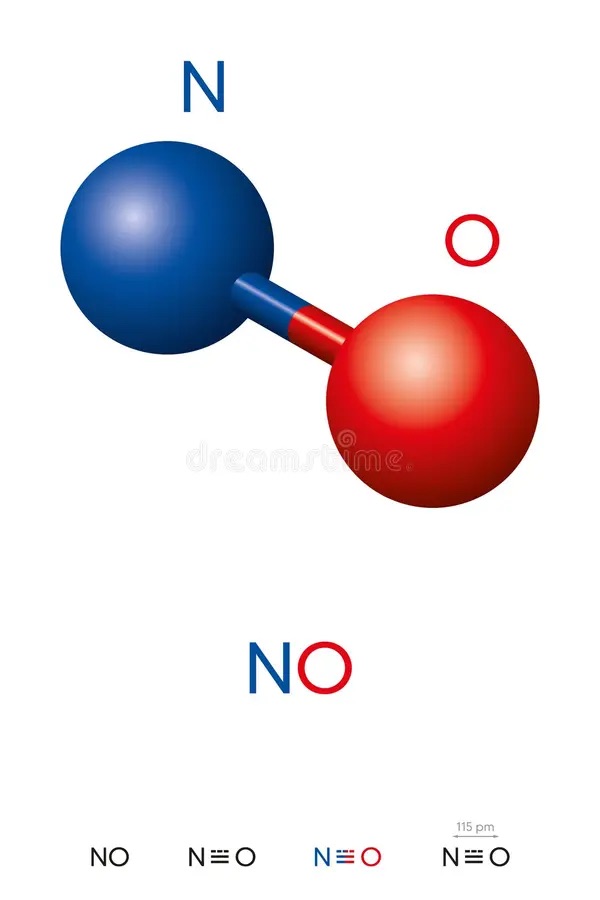
Nitric oxide (NO) is a gaseous molecule produced naturally in the body. Its primary function? Dilating blood vessels to allow oxygen and nutrients to flow efficiently throughout the body.
This matters not just for heart health - but for the brain.
The Brain-Circulation Connection
Reduced blood flow is one of the key features observed in cognitive decline. When nitric oxide production diminishes, the brain may quite literally receive less of what it needs to function optimally.
Some researchers, including Dr. Nathan Bryan (a leading nitric oxide expert), suggest that impaired nitric oxide production could be a significant - yet overlooked - factor in conditions such as Alzheimer's and dementia.
While this perspective is still being explored in clinical trials, it opens an important conversation around prevention, rather than treatment alone.
Why Nitric Oxide Levels Decline with Age (And What It Means for Your Health)
One of the most compelling aspects of nitric oxide is how closely it's tied to aging. As we get older, our bodies naturally produce less of it.
Hormones and Nitric Oxide Production
Hormones play a crucial role here:
- In men: Testosterone supports nitric oxide production
- In women: Oestrogen is essential for its synthesis
This helps explain why cardiovascular and cognitive risks often increase with age - particularly during hormonal shifts.
For women, this also brings attention to the role of hormone replacement therapy HRT which has been shown in some scientific trials to support nitric oxide production post-menopause by restoring oestrogen levels.
Nitric Oxide and Men's Sexual Health
For men, declining nitric oxide has another consequence: erectile dysfunction.
Nitric oxide is the principal mediator of erectile function according to The Journal of Rheumatology, relaxing smooth muscle cells in penile blood vessels to allow the blood flow necessary for erection. This is why ED (erectile disfunction) often serves as an early warning sign of cardiovascular disease - both share the same underlying issue: impaired nitric oxide production.
Interestingly, popular ED medications like Viagra and Cialis work by enhancing the effects of nitric oxide. But if nitric oxide levels are already insufficient, these medications become less effective - highlighting why supporting natural NO production matters for men's sexual and cardiovascular health.
The Surprising Oral Microbiome Connection: Why Your Mouth Affects Your Brain
Perhaps the most surprising piece of the nitric oxide puzzle lies in the mouth.
The oral microbiome - bacteria living on the tongue and in the saliva - plays a crucial role in converting dietary compounds (particularly nitrates from vegetables) into nitric oxide.
Which means…… everyday habits matter.
How Oral Care Impacts Nitric Oxide Levels
According to Dr. Bryan's research and commentary:
- Using a tongue scraper may support microbial diversity
- Avoiding antiseptic and fluoride mouthwash helps preserve beneficial bacteria
- Overuse of fluoride disrupts this natural ecosystem
This brings us to a more nuanced - and often controversial - topic.

The Fluoride Debate: Protection or Disruption?
Fluoride has long been promoted for dental health. However, some researchers argue that its widespread use - particularly in toothpaste and water - may have unintended consequences for the oral microbiome.
The Case for Caution
From this perspective, fluoride and antiseptic mouthwashes may reduce the beneficial bacteria required for nitric oxide production, potentially influencing systemic health.
Important context:
- Fluoride is classified in high doses as an "acute toxin"
- Excessive exposure is harmful - hence longstanding guidance to use only a "pea-sized" amount of toothpaste
- In practice, many people use significantly more, raising questions around cumulative exposure
Water Fluoridation: A Global Divide
Water fluoridation policies vary widely:
Most Western European countries have rejected water fluoridation, including:
- Austria
- Belgium
- Denmark
- Finland
- France
- Germany
- Iceland
- Italy
- Luxembourg
- Netherlands
- Norway
- Sweden
- Switzerland
Meanwhile, Ireland, many regions of Spain, and the United Kingdom continue water fluoridation policies to differing degrees.
The Other Side: Dental Health Realities
At the same time, dental caries remain a significant public health issue, and fluoride has played a recognised role in reducing tooth decay.
This opens a broader conversation between conventional dentistry and more holistic approaches - one that continues to evolve.
Natural Alternatives: Hydroxyapatite Toothpaste and Beyond
Alternatives such as hydroxyapatite-based toothpastes, which work by remineralising enamel and repairing micro-damage, are gaining attention as part of this shift.
Supporting Your Oral Microbiome Naturally
From a functional perspective, oral care may be less about eliminating bacteria altogether and more about maintaining balance.
Practices that may help support a diverse oral environment:
- Gentle brushing (not aggressive scrubbing)
- Tongue scraping
- Avoiding overly aggressive antiseptic products
- Chewing xylitol gum (emerging research suggests benefits for oral health and tooth decay prevention)
What is increasingly clear is that the oral microbiome plays a far more significant role in overall health than previously understood - contributing not only to dental health, but to wider physiological processes, including nitric oxide production.
Modern Lifestyle Factors That Deplete Nitric Oxide
Modern living may be quietly depleting our nitric oxide levels.
Factors That May Impair Nitric Oxide Production:
- High sugar intake (which interferes with key enzymes)
- Sedentary lifestyle
- Poor diet quality
- Chronic stress
- Overuse of antiseptic mouthwash
- Declining hormone levels with age
Simple Shifts to Support Nitric Oxide Naturally:
- Regular movement and exercise (particularly cardiovascular activity)
- Nasal breathing (which naturally stimulates nitric oxide production)
- A balanced, nutrient-rich diet - especially Mediterranean diet principles rich in nitrate-containing vegetables (leafy greens, beets, arugula)
- Supporting hormonal health (through lifestyle, nutrition, and where appropriate, medical guidance)
- Maintaining a healthy oral microbiome
Nitric Oxide and Women's Health: Pregnancy Considerations
During pregnancy, some studies suggest taking a more cautious approach to fluoride exposure, with certain practitioners recommending a pause in fluoride-based products until after birth and the completion of breastfeeding.
As always, this is a personal decision and one best made in consultation with a qualified healthcare professional.
A Shift in Perspective: Systems, Not Symptoms
Rather than searching for a single "cure," nitric oxide invites a different way of thinking.
It connects multiple systems:
- Circulation
- Hormones
- Brain health
- Heart health
- The microbiome
Perhaps most importantly, it brings us back to something fundamental:
Health is not built in isolation. It is built through interconnected systems - many of which we are only just beginning to understand.
The Future of Anti-Aging: Understanding What We've Disrupted
The idea that something as small as a molecule could influence conditions as complex as Alzheimer's may sound extraordinary.
But wellness is evolving.
And sometimes, the future of health lies not in adding more - but in understanding what we may have unknowingly disrupted.
Personal Note from Amanda
I made the decision to move away from fluoride toothpaste several years ago, opting instead for hydroxyapatite-based alternatives, which are increasingly recognised for their ability to support enamel remineralisation.
Emerging research is also highlighting the potential benefits of chewing xylitol gum in promoting oral health and protecting against tooth decay.
This is a personal choice - one I continue to evaluate as new research emerges. As with all health decisions, I encourage you to consult with qualified healthcare professionals and make informed choices that align with your individual needs.
Key Takeaways: Nitric Oxide and Healthy Aging
✓ Nitric oxide is essential for circulation, brain function, and healthy aging
✓ Levels naturally decline with age, particularly during hormonal shifts
✓ The oral microbiome plays a crucial role in nitric oxide production
✓ Lifestyle factors - diet, exercise, stress, oral care - significantly impact NO levels
✓ Simple daily practices can support natural nitric oxide production
✓ This is an evolving area of research with important implications for prevention
Further Reading & Resources
Scientific Resources:
- Dr. Nathan Bryan's research on nitric oxide
- Diary of a CEO interview with Nathan Bryan
- The Untold Story of Fluoridation: Revisiting the Changing Perspectives
- Nitric oxide in health & disease
- Hydroxyapatite toothpaste clinical trials
- Nitric oxide role in erectile disfunction

Disclaimer: This article is for informational purposes only and is not medical advice. Always consult with qualified healthcare professionals before making decisions about fluoride use, hormone therapy, or other health interventions. Individual needs vary based on age, health status, and personal circumstances.
Had you heard of nitric oxide before, and does the brain and circulation link surprise you? Tell me below.
Further Inspiration:
Maison Co-Pain · The Collagen Code · Best Nuts for Healthy Ageing · The Wellness Column

As featured in the Mallorca Bulletin
A shorter version of this article first appeared in Amanda’s Wellness Column in the Mallorca Bulletin. Read the original as a PDF →


0 Comments