

- Misdiagnosed: the REMS scan story
- What osteoporosis actually is you are here
- The blood tests most doctors never order
- Best foods for bone health
- Hormones and HRT
- Movement and exercise
- Emerging support and technology
A personal guide to understanding bone density, T-scores, fracture risk - and what you can actually do about it.
When I was diagnosed with severe osteoporosis last November, with a T-score of -3.2, it came as a profound shock. It was also a sobering realisation that I knew remarkably little about bones - let alone osteoporosis.
At first, I was angry. Angry with my doctor for never educating me about bone health. Angry with my gynaecologist for not recommending a bone density scan. But as I spoke with others and immersed myself in the research, I began to realise this wasn't simply an individual failing. It reflected a much wider gap in healthcare - particularly in the way women's hormonal health and the impact of declining oestrogen on bone density have historically been overlooked.
Perhaps the biggest revelation was recognising how little attention most of us pay to osteoporosis until it affects us personally, or someone we love. It's easy to think, 'I'm fit, I'm healthy - why would that happen to me?' I certainly did. Until my diagnosis, bone health simply wasn't on my radar.
After sharing my experience two weeks ago, I received dozens of messages from women living with a diagnosis, a family history or simply growing concern, yet who had been given very little explanation of what osteoporosis actually means. What is happening inside the bone? Why does a number on a scan become a source of fear? And does a 'high risk' diagnosis automatically mean medication for life, as many doctors would seem to default to, even in borderline cases?
Those questions became the starting point for this series.
This article is Part Two of a six-part series on bone health and osteoporosis. Whether you've recently received a diagnosis, are approaching menopause, or simply want to understand your bones better, this is designed to be the guide I wish I'd had. You can read Part One here
The Scale of the Problem - Osteoporosis by the Numbers
The figures are sobering. More than half of women over 50 - around 51.5% - have osteopenia (the precursor to osteoporosis) of the femoral neck or lumbar spine, most without knowing it. Roughly one in three women will go on to develop osteoporosis, which accounts for almost 80% of diagnosed cases.
Men are far from immune. Studies show that around one in five men over 50 have osteoporosis, with prevalence rising significantly with age (though many remain undiagnosed). The greatest difference between men and women lies in the rapid loss of oestrogen that accompanies menopause, which accelerates bone loss in women.
Globally, osteoporosis affects an estimated 200 million people. In the UK alone, around three million people are living with the condition - and the International Osteoporosis Foundation estimates that a fragility fracture occurs every three seconds worldwide. In Spain, where I live, approximately 2.5 million women over 50 are affected. These are not niche statistics. This is one of the most prevalent yet under-discussed health conditions of our time.
These statistics underscore the silent, widespread nature of bone health issues - and why proactive awareness, lifestyle measures, regular screening, and more accurate assessment tools are so important.
One of the clearest explanations I encountered came from Dr Doug Lucas, an American orthopaedic surgeon and longevity medicine specialist whose work focuses on helping people better understand fracture risk and bone health. Much of what follows is informed by his insights, alongside many other specialists I consulted during eight months of research since my diagnosis.
What Is Osteoporosis? The Clinical Definition and Your T-Score Explained
The clinical definition is straightforward. Osteoporosis is diagnosed using a T-score obtained from a DEXA scan - or increasingly, alternative technologies such as REMS. The score compares your bone density with that of a healthy young adult at peak bone mass.
A T-score of -2.5 or below meets the World Health Organisation's definition of osteoporosis. Between -1.0 and -2.5 is classified as osteopenia - lower-than-normal bone density, but not osteoporosis. Anything above -1.0 is considered within the normal range.
Understanding Your T-Score at a Glance
| T-Score | Classification | What It Means |
| Above -1.0 | Normal | Bone density within the healthy range |
| -1.0 to -2.5 | Osteopenia | Lower than average; increased attention recommended |
| -2.5 or below | Osteoporosis | WHO diagnosis threshold; increased fracture risk |
| -2.5 or below + prior fracture | Severe osteoporosis | Higher priority for treatment discussion |
It is worth noting that T-scores are only one part of the picture. Two people with identical T-scores can have very different fracture risks depending on other factors - age, previous fractures, family history, body weight and bone quality (which a standard DEXA scan does not measure). This is why tools like FRAX and emerging technologies like REMS are increasingly important, and why a T-score alone should never be the whole conversation.
How Accurate Is a DEXA Scan?
According to the International Society for Clinical Densitometry (ISCD) and peer-reviewed sources, the precision error of a well-calibrated DEXA system is usually 1 to 2% at the hip and spine. That sounds small, but it means a change of roughly 2.8 to 5.6% is needed before a difference between two scans can be considered real, known as the “least significant change”. On top of this, systematic errors can lead to misclassification: an inappropriate reference database (comparing a woman against the wrong population, sex or ethnicity), differences between machines and software, operator positioning, and even patient movement, which the machine does not detect. My personal suspicion, from talking to women in different osteoporosis groups, is that misclassification is more common than we think, not least because so few women have their records corrected once a different doctor or device gives a different result.
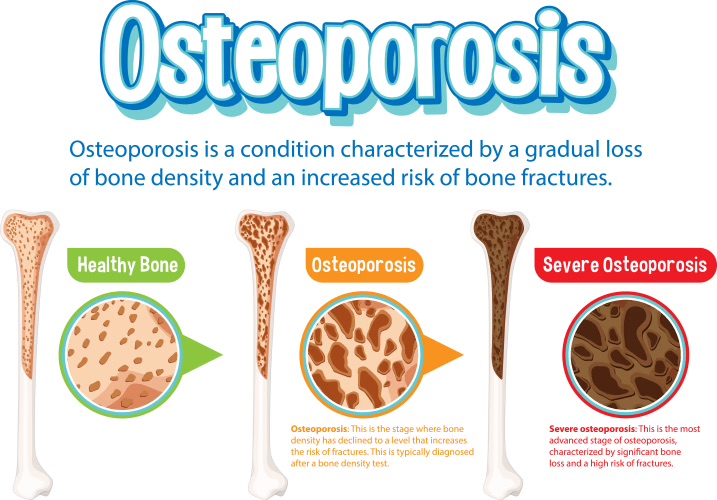
Osteoporosis is essentially an imbalance in bone metabolism. You are breaking down more bone than you are building. That shift - from viewing it as a fixed diagnosis to seeing it as an ongoing biological process - changes everything.
While this definition is useful, Dr Lucas offers another perspective that I found even more enlightening: osteoporosis is essentially an imbalance in bone metabolism. Put simply, you are breaking down more bone than you are building. That shift - from viewing osteoporosis as a fixed diagnosis to seeing it as an ongoing biological process - completely changed the way I began to think about it.
How Bone Actually Works - The Biology of Bone Remodelling
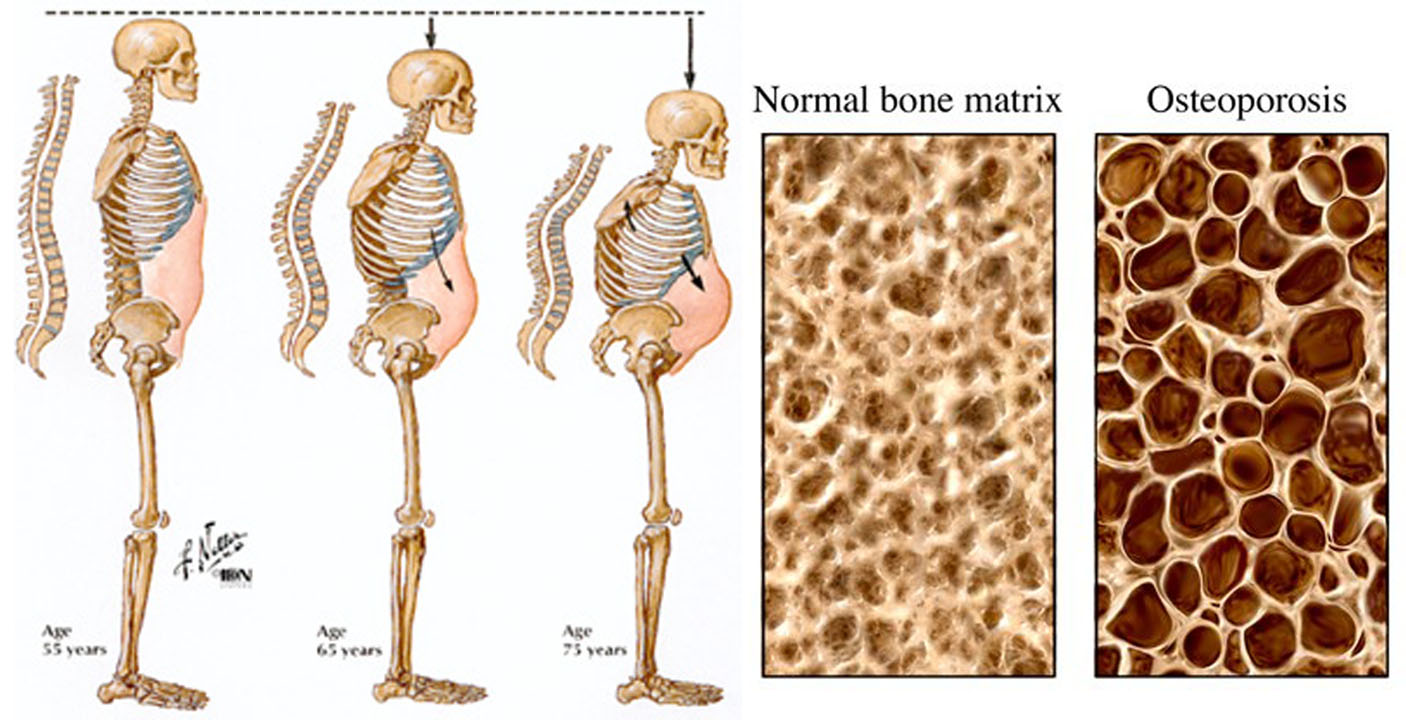
Most of us imagine bone as something solid and unchanging. In reality, it is living tissue - constantly renewing itself and responding to everything from nutrition and exercise to sleep, hormones and inflammation. In fact, the entire human skeleton is renewed approximately every ten years.
This process relies on two specialist cells. Osteoclasts remove old bone, while osteoblasts build new bone. When these remain in balance, bone density is maintained. When bone breakdown consistently exceeds bone formation, we gradually lose bone. Over time, that imbalance becomes osteoporosis.
The remodelling cycle takes roughly three to six months for each unit of bone to be broken down and rebuilt. This is important because it means meaningful improvements in bone health - whether from nutrition, supplementation, exercise or medication - are rarely visible in the short term. Consistency over months and years is what matters, which is why annual or biennial DEXA scans are the standard way to track progress.
Hormones play a central role in regulating this cycle. Oestrogen, in particular, helps keep osteoclast activity in check. When oestrogen levels decline at menopause, osteoclasts become relatively more active, tipping the balance towards bone loss. This is why the period immediately following menopause represents one of the greatest windows of risk for accelerated bone density decline in women - and why hormonal health is so central to any meaningful bone health strategy.
Perhaps the biggest surprise for me was discovering that bone is around 30% protein by weight - not simply calcium. Minerals are deposited within a collagen framework, and without that healthy protein matrix they have nowhere secure to bind. It is one of the reasons protein and collagen play such an important role in bone health - a subject we'll explore in Part Three.
Why the Real Concern Is Fracture Risk, Not the Diagnosis Itself
Here is what I wish someone had explained when I was first diagnosed: osteoporosis itself isn't something you feel. What matters - clinically and personally - is your fracture risk.
The greatest concern is fragility fractures: breaks that occur after a minor fall, or sometimes with little or no trauma at all. Hip fractures are among the most serious - around 30% of adults over 60 who sustain a hip fracture die within 12 months, and many who survive never regain full independence.
Most fragility fractures occur in women who do not have a formal osteoporosis diagnosis. Many have osteopenia. But bone density is only one part of the picture. Previous fractures, family history, age, hormonal status, body weight and overall health all influence fracture risk.
One of the most useful resources I found is the free online FRAX fracture risk assessment tool, which estimates your ten-year fracture probability using a combination of these risk factors. It takes only a few minutes to complete and provides a much broader picture than bone density alone. FRAX is available free at fraxplus.org. You'll need your height, weight, and - if you have it - your femoral neck T-score from a DEXA scan. The tool generates a percentage probability of a major osteoporotic fracture (hip, spine, wrist or shoulder) within the next ten years. This figure is what many clinicians now use to guide treatment decisions, rather than T-score alone - which is why asking for a FRAX calculation alongside any DEXA result is well worth doing.
Fall prevention is also an important and often overlooked part of fracture risk management - particularly for those over 65. Strength and balance training, reviewing medications that affect stability, improving home safety and addressing vision or vestibular issues can all significantly reduce the risk of the falls that cause fractures.
Can Osteoporosis Be Reversed? What the Evidence Actually Says
This was the first question I asked after my diagnosis.
The answer I received - from more than one doctor - was a firm 'No - not with your severity.'
Beyond being advised to eat more meat and dairy, there was no discussion about nutrition, hormones, exercise or lifestyle. The recommendation was medication, and that was largely where the conversation ended.
Having spent much of my adult life immersed in natural health, movement and nutrition, I found this deeply frustrating.
The conventional medical view is that osteoporosis can be slowed and managed, but not reversed. Then I discovered clinicians, including Dr Doug Lucas, who argue that the answer is more nuanced. If osteoporosis is fundamentally an imbalance in bone metabolism - driven by factors such as hormonal decline, nutritional deficiencies, gut health or physical inactivity - then addressing those underlying causes can shift the balance back towards building more bone than we lose.
That doesn't mean everyone can restore bone density without medication. Factors such as age, fracture risk and the severity of bone loss all matter. For some people, medication may be the safest and most appropriate option, and there should be no stigma attached to that decision.
But for others, understanding that bone health can often be actively improved is an empowering message that deserves far wider discussion.
Several clinicians and researchers now use the term 'bone optimisation' rather than simply 'management.' This framing acknowledges that while significant reversal of established osteoporosis is not guaranteed, measurable improvements in bone density are achievable for many people with consistent lifestyle intervention. Studies have shown that combining resistance training, adequate protein intake, targeted supplementation (particularly vitamin D3, K2 and magnesium), optimised hormonal health and improved gut function can produce meaningful gains in bone density over time.
This doesn't happen quickly. Most research protocols run for 12 to 24 months before significant changes appear on DEXA scans. But the point is that the biological mechanisms exist - and engaging them is a choice available to most people, often alongside rather than instead of conventional medical care. For REMS it is around 1 year.
Bone Density as a Biomarker - The Case for Earlier Testing
Perhaps one of the biggest questions in bone health is whether we are looking too late. With routine screening often beginning around the age of 65, many people have already experienced decades of gradual bone loss before their first bone density scan. Rather than viewing osteoporosis solely as a disease of older age, an increasing number of clinicians now see bone density as a valuable biomarker of lifelong health, advocating earlier assessment for those at increased risk.
Bone density is more than a measure of fracture risk - it can be an early indicator of underlying issues such as hormonal imbalance, poor nutrition, impaired gut health, chronic inflammation or other conditions affecting bone metabolism. Young women with disrupted or absent menstrual cycles remain one of the most under-screened groups, despite being at increased risk of low bone density, while poor diet, inactivity and low testosterone levels are recognised contributors to declining bone health in younger men.
The message is simple: measure early, investigate unexplained bone loss, and focus on preserving bone strength long before the first fracture occurs.
For those in Mallorca, Spain, and most of the Western World bone density scans are available via private clinics and - with a referral for those at elevated risk - through the public health system. REMS technology (Radiofrequency Echographic Multi Spectrometry) is an emerging alternative to DEXA that uses ultrasound rather than radiation and can provide additional information about bone quality beyond density. A growing number of private clinics in Europe and the Spanish mainland now offer REMS alongside or instead of DEXA - worth asking about if you're exploring your options.
If you are approaching or have passed menopause, have a family history of osteoporosis or fractures, have used long-term corticosteroids, or have had periods of significant dietary restriction or low body weight, it is worth speaking to your doctor about a bone density assessment.
In my next article, I'll look at the blood biomarkers and clinical markers that can help identify those at increased risk of poor bone health - including tests that many GPs don't routinely offer, but which can provide a much clearer picture of what's actually driving bone loss.
The Natural Approach to Bone Health - What It Actually Requires
The growing number of women attempting to improve their bone health without medication is neither surprising nor inherently misguided - but it does require rigour. Avoiding medication is not the same as doing nothing. It demands a clear understanding of your personal fracture risk, knowing your T-score and other metrics, using tools such as FRAX, and committing to consistent lifestyle changes that genuinely support bone health.
Throughout the rest of this series, each article explores one of the key pillars in detail. Here is a brief overview of what the research supports:
Nutrition and protein (Part Three)
Bone is approximately 30% protein by weight, and collagen forms the structural scaffold on which minerals bind. Adequate protein intake - and the amino acid profile needed to support collagen synthesis - matters far more than most people are told. We'll look at what the evidence says about protein requirements, collagen supplementation and the foods that genuinely support bone-building.
Targeted supplementation (Part Four)
Vitamin D3, K2, magnesium, calcium and boron are among the nutrients most associated with bone health - but dosage, form and the interactions between them matter enormously. More is not always better, and many people supplement in ways that are ineffective or counterproductive.
Hormonal health (Part Five)
The relationship between oestrogen and bone density is well established, but it extends further: testosterone, thyroid hormones, cortisol and insulin all influence bone metabolism. We'll look at what the evidence says about HRT and bone health, and what it means for women navigating perimenopause and post-menopause.
Resistance and impact training (Part Six)
Bone responds to mechanical load. Weight-bearing and resistance exercise are among the most potent non-pharmacological interventions for bone health - but the type, frequency and intensity matter. We'll look at the evidence on what actually works.
Sleep and stress management (woven throughout the series)
Cortisol, the primary stress hormone, can impair bone formation when chronically elevated. Poor sleep is associated with disrupted calcium metabolism and reduced growth hormone secretion - both important for bone maintenance. These are often the overlooked areas that compound the effects of nutrition and exercise.
None of these approaches offers a quick fix. All require consistency and time. But together, they provide far more options than many people are offered when first diagnosed.
What struck me most throughout this journey was not simply the diagnosis itself, but the lack of clear, balanced information that followed. It would have been a huge leap forward had I found a specialist who truly understood bone health and women's health - someone who listened, individualised care, and worked collaboratively rather than one-size-fits-all.
If you've recently been told you have osteoporosis or osteopenia, you're probably frightened. I certainly was. What I've learned over the past eight months is that knowledge changes everything.
My hope is that this series helps bridge that information gap - not to replace your doctor, but to ensure every conversation you have is informed by a deeper understanding of your bones, your options, and the questions you deserve to ask.
* * * * *
About This Series
This is Part Two of a six-part series exploring osteoporosis and bone health in depth. Each article is published in the Mallorca Bulletin Wellness Column and expanded here for Mallorca Wellness & Living.
Coming next: Part Three - Blood Markers and What Your Bones Are Hungry For. (In 2 weeks)
P.S - You may also enjoy Bone Healthy Nutrition
Amanda J Butler is a Mallorca-based writer exploring the island’s evolving culture of wellness, lifestyle and conscious living. Follow on Instagram @mallorcawellnessliving & @amandabmallora
Disclaimer: This article is for informational purposes only and is not medical advice. Always consult with qualified healthcare professionals before making decisions about any health interventions detailed above. Individual needs vary based on age, health status, and personal circumstances.
Further Reading & Resources
Osteo Collective with Dr Doug Lucas
Before you panic over your DEXA
FAQS - Frequently Asked Questions
What causes osteoporosis?
Osteoporosis develops when bone breakdown outpaces bone formation over time. Common drivers include declining oestrogen at menopause, low calcium and vitamin D intake, inadequate protein, physical inactivity, long-term use of corticosteroids, a family history of the condition, low body weight, smoking and excessive alcohol consumption. In some cases it is secondary to other medical conditions such as coeliac disease, inflammatory bowel disease or thyroid disorders.
What are the symptoms of osteoporosis?
Osteoporosis is often called a 'silent disease' because it typically causes no symptoms until a fracture occurs. Some people experience gradual height loss over time (as spinal vertebrae compress), a change in posture, or back pain from a vertebral fracture - but many people have no symptoms at all. This is why screening matters.
How is osteoporosis diagnosed?
The standard diagnostic test is a DEXA scan (Dual-Energy X-ray Absorptiometry), which measures bone mineral density at the hip and lumbar spine and produces a T-score. REMS (Radiofrequency Echographic Multi Spectrometry) is a newer alternative using ultrasound, however is not covered by National Health. Your doctor may also use the FRAX tool (fraxplus.org) alongside your T-score to estimate your overall ten-year fracture risk.
At what age should I have a bone density scan?
Current guidelines recommend a DEXA scan for women over 65 and men over 70, or earlier for those with recognised risk factors. However, many clinicians in functional and longevity medicine advocate for earlier baseline testing - particularly for women approaching menopause, those with a family history, or anyone with significant bone-loss risk factors such as long-term corticosteroid use, low body weight or coeliac disease.
Is osteoporosis only a women's condition?
No. While women are significantly more affected - partly due to the accelerated bone loss that accompanies the oestrogen decline of menopause - approximately one in five men over 50 will develop osteoporosis. Men tend to be diagnosed later and are less frequently screened, meaning the condition is often more advanced by the time it is identified.
Can lifestyle changes really make a difference to bone density?
Yes, meaningfully - though not overnight. Research supports resistance and impact exercise, adequate protein and nutrient intake, vitamin D3 and K2 supplementation, hormonal optimisation and improvements in gut health as interventions that can measurably improve bone density over time. The key word is consistency: most studies showing positive effects run for 12 to 24 months. Results vary with age, severity of bone loss and individual health factors.
Does osteoporosis cause pain?
Osteoporosis itself does not cause pain - it is a structural change in bone density. Pain typically arises from fractures, most commonly vertebral compression fractures in the spine, which can cause acute back pain or chronic discomfort. If you have unexplained persistent back pain, it is worth discussing with your doctor.
Have you had a diagnosis that sent you deep into your own research? What is the one thing you wish you had known sooner? Share it below, your experience might help someone else.
Further Inspiration:
Osteoporosis Blood Tests · A Scan Told Me I Had Severe Osteoporosis · Best Nuts for Healthy Ageing · The Voice of the Forest

As featured in the Mallorca Bulletin
A shorter version of this article first appeared in Amanda’s Wellness Column in the Mallorca Bulletin. Read the original as a PDF →

0 Comments