

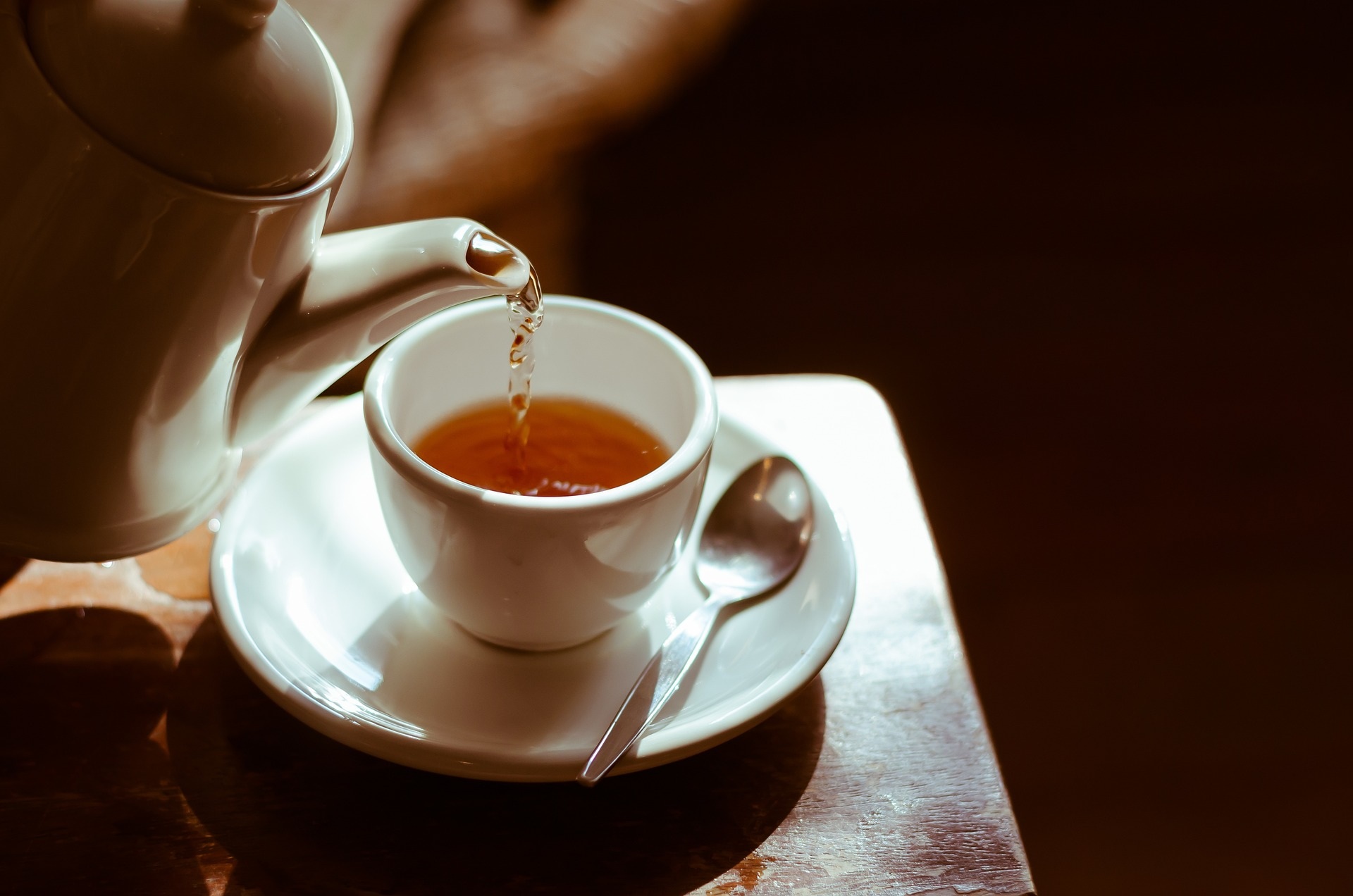
Featured image: dungthuyvunguyen / Pixabay
There is something deeply comforting about the first cup of tea or coffee of the day, whether it is a café con leche on a terrace in Mallorca or a pot brewed quietly at home. The sound of the kettle, the smell of coffee, anticipation for that first sip: a few quiet minutes before the messages begin. I am not about to suggest we abandon that ritual. But during my deep dive into all areas of wellness living, I have become increasingly curious about what, besides tea leaves or coffee beans, might be making its way into my cup, from pesticide residues and mould toxins to microplastics in tea and coffee.
We hear plenty about caffeine and sugar. We hear far less about where the leaves were grown, how the beans were handled, what materials surround them, or what happens when those materials meet hot water.
Tea: The Leaf, the Land and Pesticide Residues
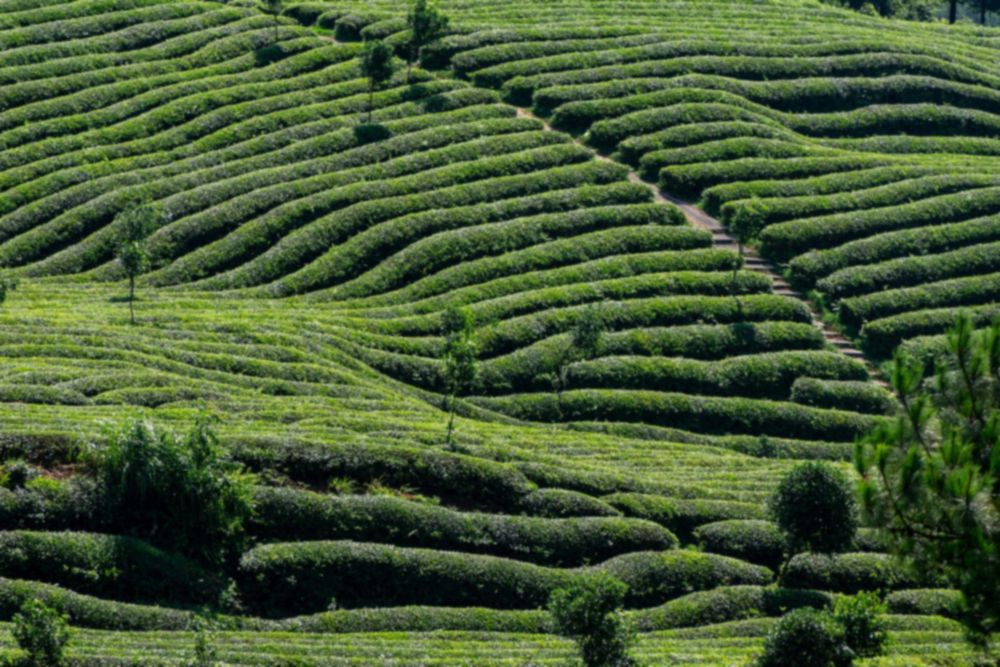
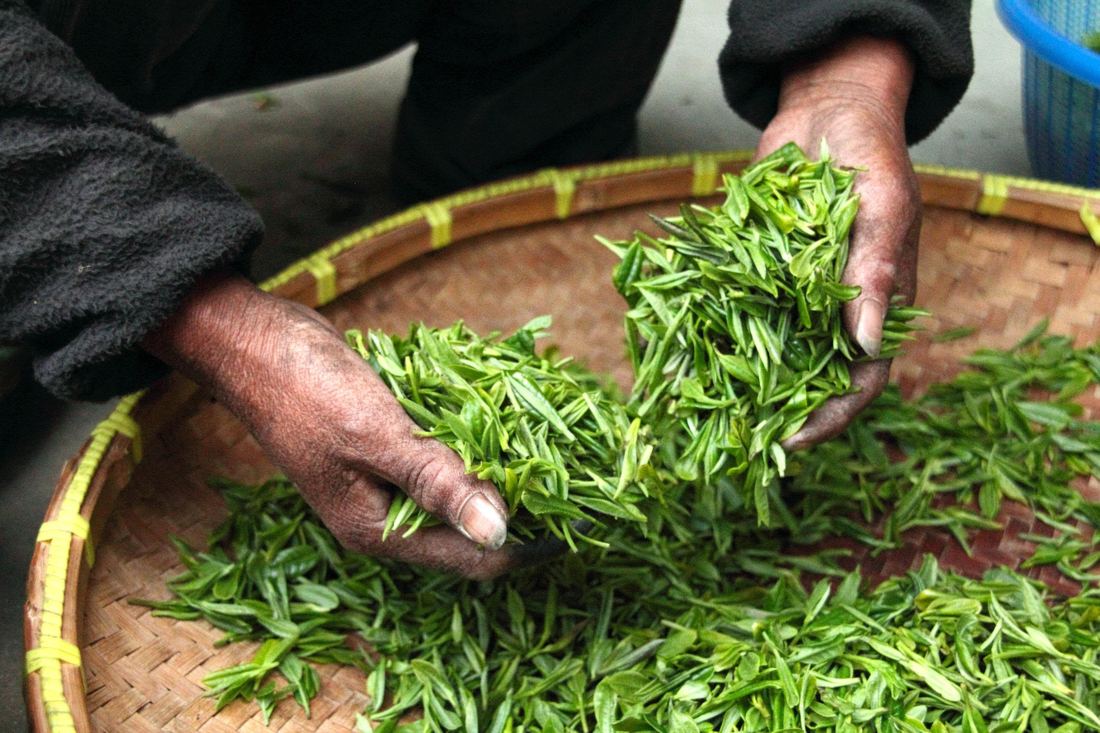
Tea begins as an agricultural crop, which means its growing conditions matter. Pesticide residues and metals absorbed from the environment are legitimate subjects for testing. Yet a finding in dry leaves is not necessarily the amount we drink: substances transfer into an infusion at different rates. Testing brewed tea gives a more useful picture of what reaches the cup.
Why origin matters
A named estate or region tells you more than you might think. A black tea from Assam tastes nothing like a black tea from Ceylon, and when you choose a brand you are often choosing a region, a climate and a way of farming. Look for a specific estate or region on the packet. If it simply says "Black Tea Blend", you are most likely buying a generic mix of leaves from several sources, often broken leaf and "fannings" (the fine dust left after sorting) rather than whole leaf.
What organic does and doesn't mean
Organic certification gives us useful information about growing practices that avoid most synthetic chemicals. But it does not guarantee environmental contaminants are absent, and it says nothing about the material of the actual tea bag. It’s a good gauge, and most carry quality-control stamps, but you still need to check the brand and the box. Similarly, a named estate or region helps us understand provenance and flavour, but does not replace a laboratory result.
I would welcome more brands telling us both where their leaves come from and what they test for. If a company cites testing, it would be useful to know the product, date and result rather than simply seeing the word "pure".
- EU organic leaf (the green leaf of stars, "ecológico" in Spain): grown without most synthetic pesticides and fertilisers, under EU rules. Says nothing about the bag.
- Soil Association Organic (UK): organic growing standards, with extra requirements on packaging and processing. Again, it describes the farm, not the paper.
- Demeter (biodynamic): the strictest of the farming standards, used by some estates supplying brands such as Hampstead Tea.
- Fairtrade: fair pay and conditions for growers. Valuable, but not a purity or plastic claim.
- "Pure", "natural", "clean": no legal definition. Ask for the test, the date and the result.
The Bag in the Brew: Microplastics in Tea Bags
Here is an easily overlooked point: the bag is steeped along with the leaves. Some bags use polypropylene to form a heat seal. Others use PLA, a plastic made from plant material and sometimes marketed as "plant based" or "compostable". Those descriptions concern its origin or disposal; they do not mean that no polymer touches the hot water.
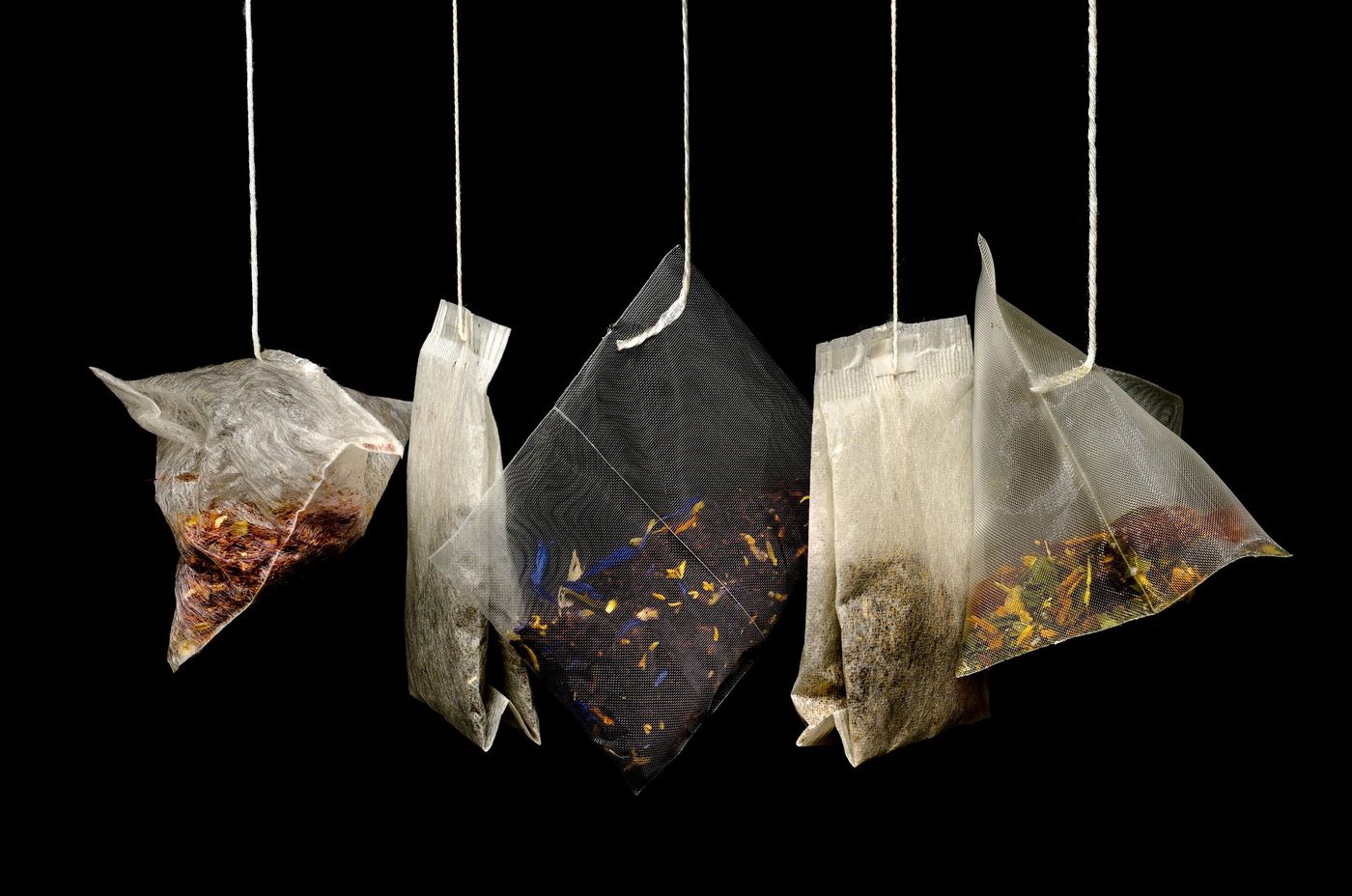
In a widely reported 2019 laboratory study, a plastic mesh tea bag released an estimated 11.6 billion microplastic and 3.1 billion nanoplastic particles when steeped at 95°C. The study, led by Professor Nathalie Tufenkji at McGill University in Montreal and published in Environmental Science & Technology, tested four commercial teas in plastic bags. When tiny water fleas were exposed to the particles, they survived but showed some anatomical and behavioural abnormalities. The researchers were clear that the effects on people were unknown.
Other researchers have questioned aspects of those counts, but studies of different bags also find particle release. A 2024 experiment found that particles released by certain tested tea bags could be taken up by human intestinal cell models. That does not of course establish what drinking tea from those bags does to a person's health. That 2024 study, from the Universitat Autònoma de Barcelona and published in Chemosphere, found polypropylene bags released by far the most particles, around 1.2 billion per millilitre of tea. Bags made of cellulose and nylon released particles too, with the mucus-producing intestinal cells taking up the most, and some particles even reaching the cell nucleus.
“The bag is steeped along with the leaves.”
Packaging can be confusing. A pyramid shape, a pale paper bag or the word "silken" does not tell you what ends up in the water. Check the manufacturer's description of the mesh, seal and string.
Which tea bags are plastic-free?
There were three that came up trumps in my research. Pukka and Yogi Tea state they use unbleached paper or plant-cellulose bags with no polypropylene heat-seal and no nylon, polypropylene mesh or glue. Hampstead Tea says its unbleached-paper bags are folded and cotton stitched, without glue or plastic in the brewing bag. These are manufacturer descriptions of bag construction, not independent proof that every bag or brew is particle-free.
In the United States, the plastic-free guide from Plastic Proof also rates Numi Organic Tea (unbleached abaca fibre) and Traditional Medicinals (Manila hemp paper) alongside Yogi and Pukka.
One honest footnote: a clean bag is not the same as a clean leaf. In 2024, one Yogi herbal blend sold in the United States, Echinacea Immune Support, was voluntarily recalled after pesticide residues were found above the FDA's action level. The FDA classed it as unlikely to harm health, but it is a good reminder that bag, leaf and testing are three separate questions.
- The shape. Pyramid and "silken" bags are usually nylon or PET mesh. Unless the box names a plant material in writing, put it back.
- The colour. Bright white usually means bleached paper, often with a thin plastic sealing strip. Natural brown, unbleached paper (abaca or Manila hemp) is the colour to look for.
- The top edge. A shiny, glossy line along the top is likely a polypropylene heat seal, the easiest one to miss because the bag looks like plain paper. A neat fold or visible stitching is what you want.
- The string and tag. A fold, a cotton stitch or a small metal staple means nothing plastic is holding the bag together in hot water.
- The certification. On an unbleached, folded bag, an organic logo (EU leaf, Soil Association or USDA) is a good sign of a careful supply chain. On a white or pyramid bag, it tells you nothing about the plastic.
Brands named as failing the bag test in the guides I read include pyramid ranges from PG Tips, Twinings and Lipton, and the polypropylene-sealed bags of Tetley and Bigelow. Manufacturers do change their materials, so check the brand's current statement.
- Teabrands.org says the sourcing of mass-market brands such as Lipton, Tetley and Bigelow is too opaque to verify pesticide or metal levels, and criticises Tazo for relying on broken leaf and fannings.
- Worst Brands, a UK-leaning review site, lists King Cole, Uncle Lee's Legends of China, Lipton, Celestial Seasonings, Teavana, Red Diamond, Tetley, Twinings, Talbott and Typhoo, citing reported pesticide residues for some (it claims 22 pesticides were found in Uncle Lee's and 23 in Teavana), plastic or bleached bags for others, and taste for the rest.
- Coffee Plus Three reminds us that tea can also contain fluoride, oxalates and traces of lead, cadmium and arsenic in some samples, which is one more reason to vary what you drink.
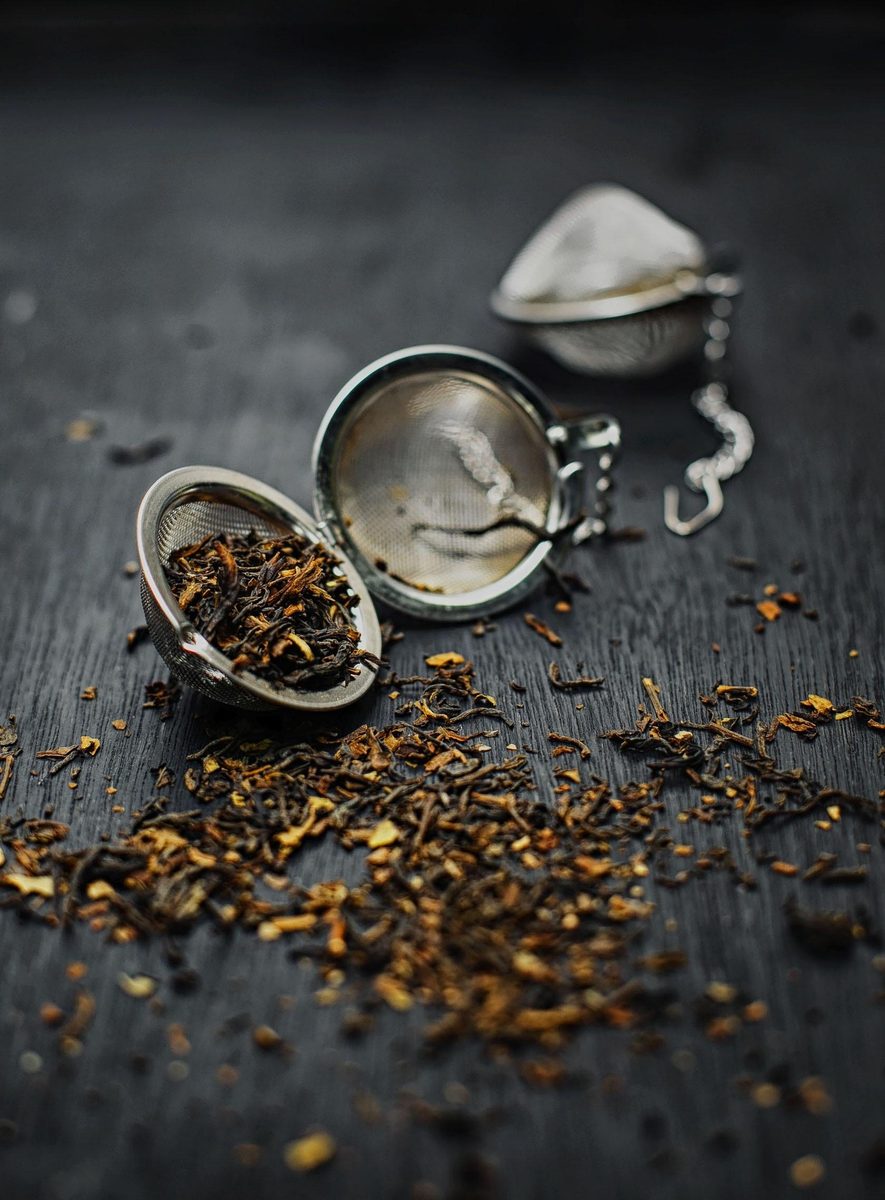
The simplest way to take the bag out of the equation is loose-leaf tea or herbs in a stainless-steel infuser.
Herbal Alternatives: Caffeine-Free Infusions
If you are looking to switch things up, there are plenty of herbal alternatives that are naturally free of caffeine and often grown with fewer pesticides:
- Rooibos: grown in South Africa, naturally caffeine-free and rich in antioxidants.
- Hibiscus: tart, refreshing and a source of vitamin C.
- Chamomile: the classic relaxing tea, lovely before sleep.
- Ginger: spicy and warming, traditionally used for digestion.
Or, even better, make your own. Slice some fresh lemon and ginger and pour on hot water. Grow your own Melissa (lemon balm): a few sprigs in your mug taste divine and are particularly good at bedtime, traditionally used to soothe the gut and calm the nervous system. Here in Mallorca, lemon balm, mint and lemon verbena (hierba luisa) grow happily in a sunny pot or garden corner, so a fresh infusion is never far away.
What About Coffee?
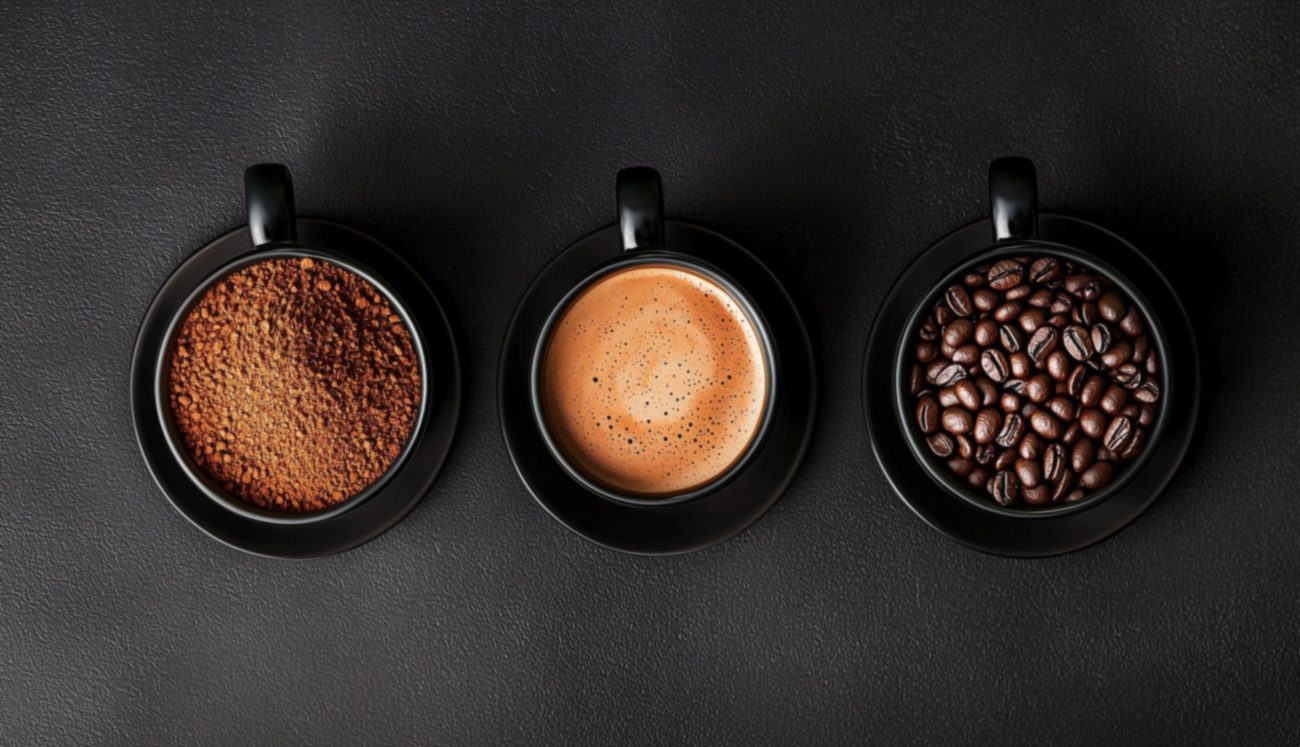
Studies associate moderate coffee drinking with several favourable health outcomes, including for type 2 diabetes and liver health. Coffee contains caffeine and other bioactive compounds, including polyphenol antioxidants. But a reassuring headline about coffee cannot tell us the quality of an individual jar, bag or capsule. (Moderate usually means around three to four cups a day. The European Food Safety Authority considers up to 400 mg of caffeine a day, roughly four cups, safe for most healthy adults, and up to 200 mg during pregnancy.)
Pesticides and Mould in Coffee: What the Labels Don't Say
Coffee is another crop whose growing, drying and storage matter. Coffee is one of the most chemically treated crops in the world. The global MRL database lists 42 pesticides used in coffee, and according to the Christian Science Monitor, conventional farms apply as much as 113 kg (250 pounds) of chemical fertilisers per 4,000 m² (1 acre) of normal conventional (non-organic) coffee. Jeremy Haggar, who oversees research for the Center for Tropical Agricultural Research and Higher Education (CATIE) in Costa Rica, adds that they "use tons of pesticides that are harmful to human health and affect biodiversity". These are rather frightening figures! Thankfully in Europe there are limits for pesticide residues in coffee beans and for ochratoxin A in roasted and soluble coffee. Since 2023, the EU maximum for ochratoxin A has been 3 µg/kg in roasted coffee and 5 µg/kg in soluble (instant) coffee.
Washing, drying and storage: where mould begins
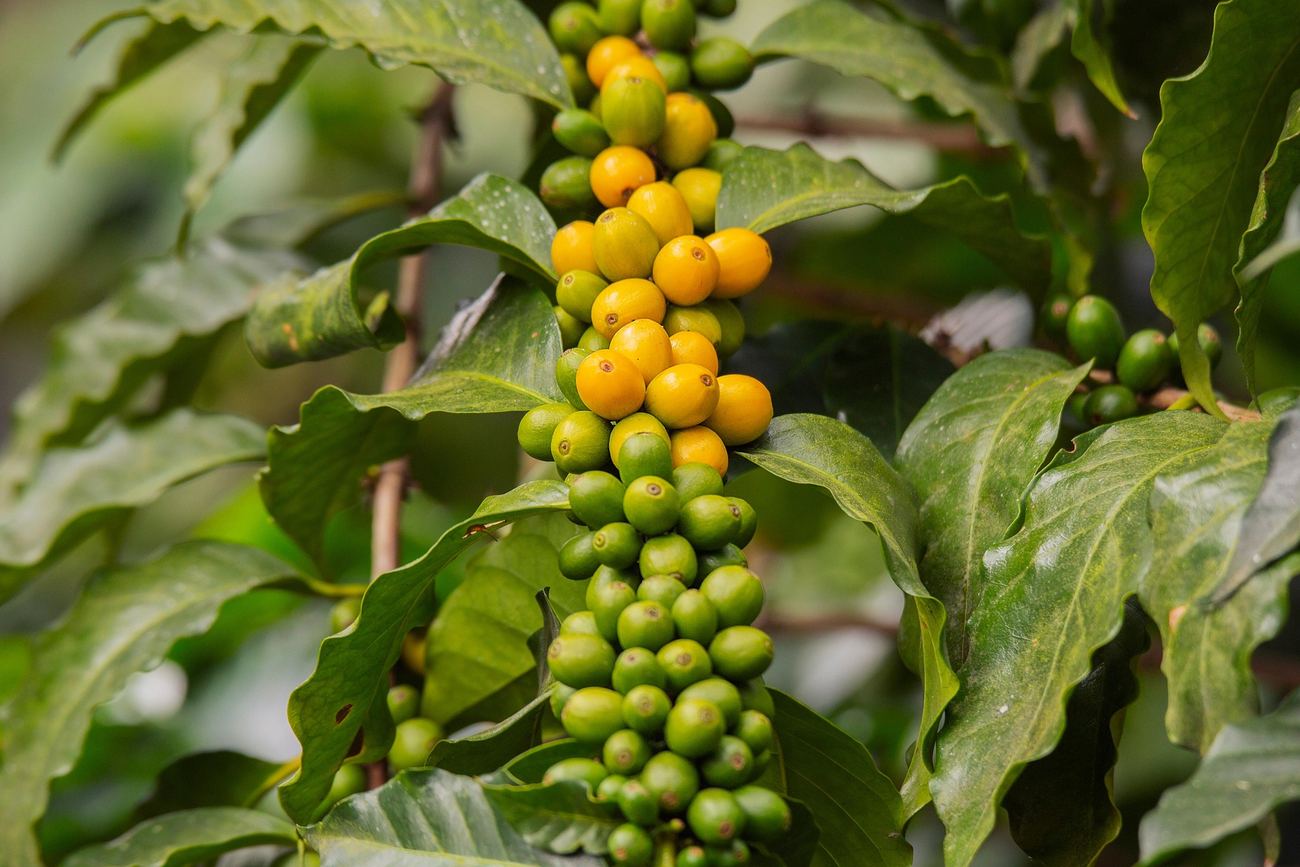
Mycotoxins, including ochratoxin A (OTA) and aflatoxin B1, are natural toxins produced by mould. They're found in a range of agricultural products, such as grains, dried fruits and nuts, but coffee is particularly susceptible because of the way it's grown, dried and transported, or if it is stored in poor, damp conditions. They're not usually an immediate danger, but long-term exposure isn't ideal: at high doses, ochratoxin A mainly affects the kidneys, and it is classed as a possible human carcinogen, although the risk at normal coffee intake is low. Basically, it's not something you want swirling about in your morning mug.
- Altitude matters. High-altitude coffee (generally above 1,200 metres) grows in cooler mountain air, where mould is less likely to take hold. Arabica is typically grown at higher altitude, which is one of the reasons that speciality-grade, high-altitude Arabica is generally considered lower risk.
- Natural-process coffee carries a higher risk. There are some exceptional natural-process coffees, but it is a fact that washed (wet-processed) beans spend less time drying than "natural" or dry-processed beans, giving moulds and their toxins less opportunity to form. With natural processing the risk window is simply longer and less controlled. However, this is not a blanket verdict, since there are meticulous farms with a carefully managed natural process producing clean, low-contamination results.
Does organic certification protect against mycotoxins?
Organic certification is valuable, but it does not guarantee coffee is free from mycotoxins. These mould-produced toxins can still develop during poor drying or storage, even in organically grown beans. Look for certified organic coffee alongside independent, dated mycotoxin test results: the two provide different kinds of reassurance.
Does roast level matter?
I once assumed a slowly roasted bean must be the healthier choice because the heat would be gentler. The science is less tidy. Acrylamide forms during roasting; European rules require food businesses to take steps to reduce it. But acrylamide can peak early in the roasting process and decline as roasting continues; variety, temperature and duration all affect the finished result.
Meeting a standard matters, but a dated product-specific laboratory report tells us more about the sample in question than an unqualified "clean coffee" claim.
Arabica, Robusta and instant coffee
The type of bean is also important, with Arabica seen as higher quality compared to Robusta, which is more mass produced and often found in the cheapest jars of instant coffee. "Slow roasted", "100% Arabica" and "organic" can each tell us something, but none independently establishes the finished coffee's contaminant levels.
"Instant" describes a preparation method, not proof of additives or unsafe coffee. But for coffee connoisseurs instant is not on their list. There is one measurable difference: European data show instant coffee typically carries around twice the acrylamide of freshly roasted coffee, which is why the EU benchmark level for instant (850 µg/kg) is more than double that for roast coffee (400 µg/kg). Coffeeness, which reviewed this research, concludes that the amounts we take in from coffee are unlikely on their own to affect health, so this is about informed choice rather than alarm.
And decaf need not be dismissed: some decaffeination methods use chemical solvents such as methylene chloride or ethyl acetate, so if you prefer to avoid solvent-based extraction, look for a process identified by the producer, such as Swiss Water. The point is to make an informed choice, not assume that an unfamiliar method is automatically harmful.
“A dated product-specific laboratory report tells us more about the sample in question than an unqualified "clean coffee" or organic claim.”
- Organic certified (EU leaf, Soil Association or USDA), for fewer pesticide residues.
- High altitude, ideally grown above 1,200 metres.
- Washed process named on the bag.
- Shade grown, better for birds, soil and natural pest control.
- Single origin or named farm, so you know where it came from.
- Arabica rather than a cheaper Robusta blend.
- A dated lab report for mycotoxins, pesticides and metals, naming the product.
- Swiss Water or another named, solvent-free method if you drink decaf.
Coffee Pods and Microplastics: The Capsule Question
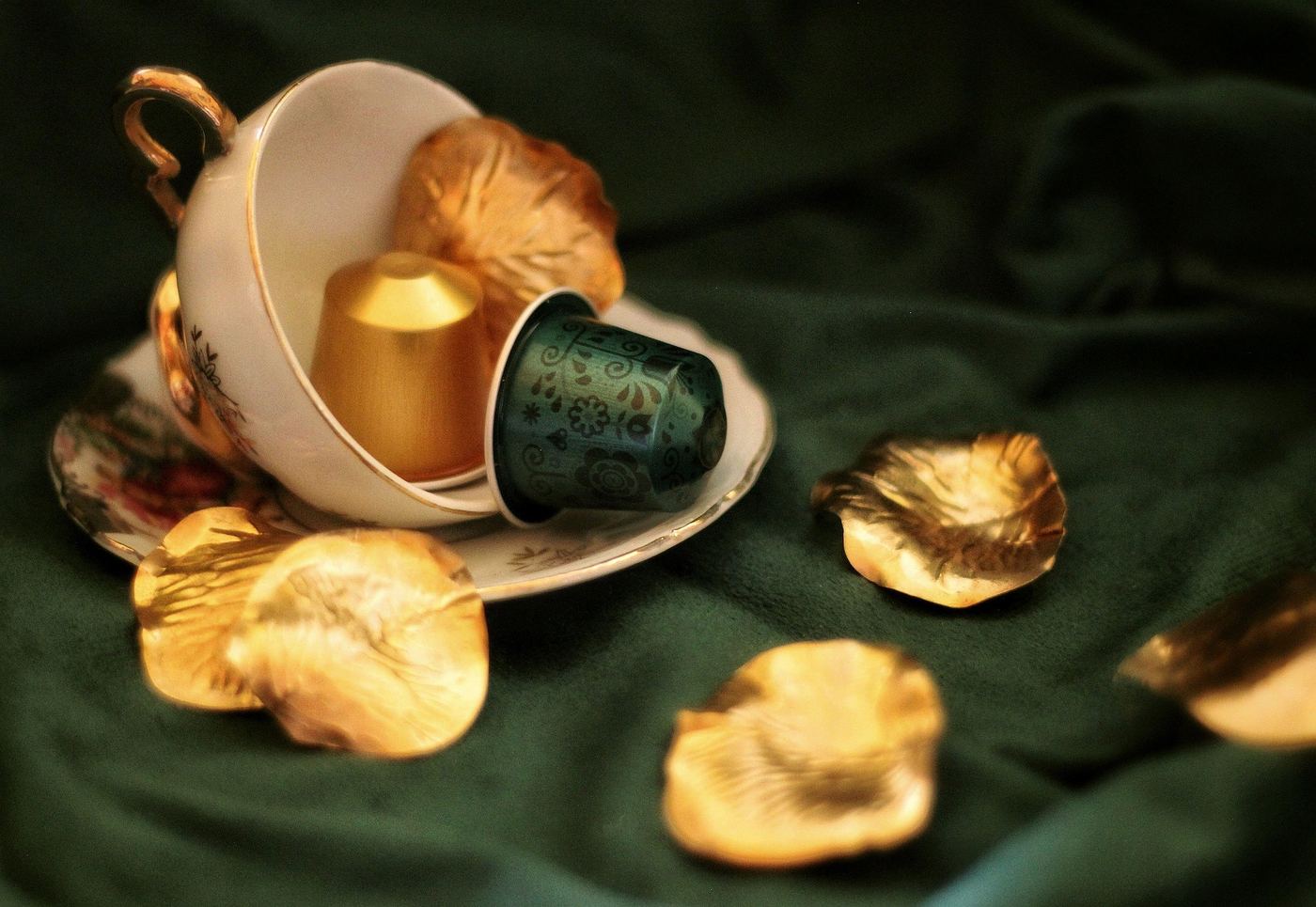
Single-serve capsules put another material in contact with hot water and coffee. In a 2025 UK study, researchers detected microplastics in coffee brewed from capsules. Their analysis linked some particles to the type of plastic in pods; parts of the machine also appeared to contribute. The study cannot tell us that every capsule releases the same amount, or what a particular exposure means for our health. It does give us a concrete reason to consider the materials in our brewing setup. The research was led by Dr Mohamed Abdallah at the University of Birmingham and published in Science of the Total Environment. As he put it himself, our understanding of the toxicity of microplastics "remains in its infancy".
Why does it matter at all? Writing in TIME in 2025, journalist Matt Fuchs noted: "In 2024, researchers showed that patients with microplastics in their arteries had a higher risk of heart attack, stroke, and early death." That study, published in the New England Journal of Medicine, found plastic particles in the neck-artery plaque of people having surgery. It was observational, so it shows an association rather than proof that plastics caused the harm, but it is a striking finding.
According to the Stanford Report, microplastics have been discovered in the human brain, testicles, heart, stomach, lymph nodes and placenta, as well as in urine, breast milk and a newborn's first stool. Stanford's own experts strike a balance worth remembering: one says we should all cut single-use plastics as much as we can to protect our health, while another reminds us that a little plastic in the body "doesn't necessarily mean doomsday".
There are choices for those who love the convenience. Some capsules are aluminium with other materials in the lid or lining; reusable stainless-steel versions are available for some machines. Compostable pods may reduce waste when they reach an appropriate composting facility, but "compostable" does not mean plastic-free, nor does industrial certification mean a pod will break down in a home compost heap. Check the whole pod, and its certification.
The Environmental Cost of Your Cup
What is in the cup and what happens on the farm are part of the same story. Conventional coffee and tea farming relies heavily on synthetic fertilisers and pesticides, which affect the soil, local water and the people who work the land long before anything reaches our shelves.
How coffee is grown matters too. Sun-grown Robusta delivers higher yields, but it has been linked to deforestation and heavier use of fertilisers and pesticides. Shade-grown coffee is cultivated under a canopy of trees that shelter birds and insects, protect the soil and provide natural pest control. Organic, shade-grown and high-altitude coffee often go hand in hand, so the cleaner choice for us is frequently the kinder one for the planet.
Then there is the plastic. As Stanford paediatrician Dr Desiree LaBeaud puts it, "Plastic never goes away: it just breaks down into finer and finer particles." Every pod, mesh bag and sealing strip joins that cycle. On an island, where everything we throw away has to go somewhere, that thought feels very close to home. Loose beans (or leaf), a paper filter, a reusable steel pod, a fresh herb from the garden: each small swap means less plastic in our cups and in our seas.
Choosing Your Cup
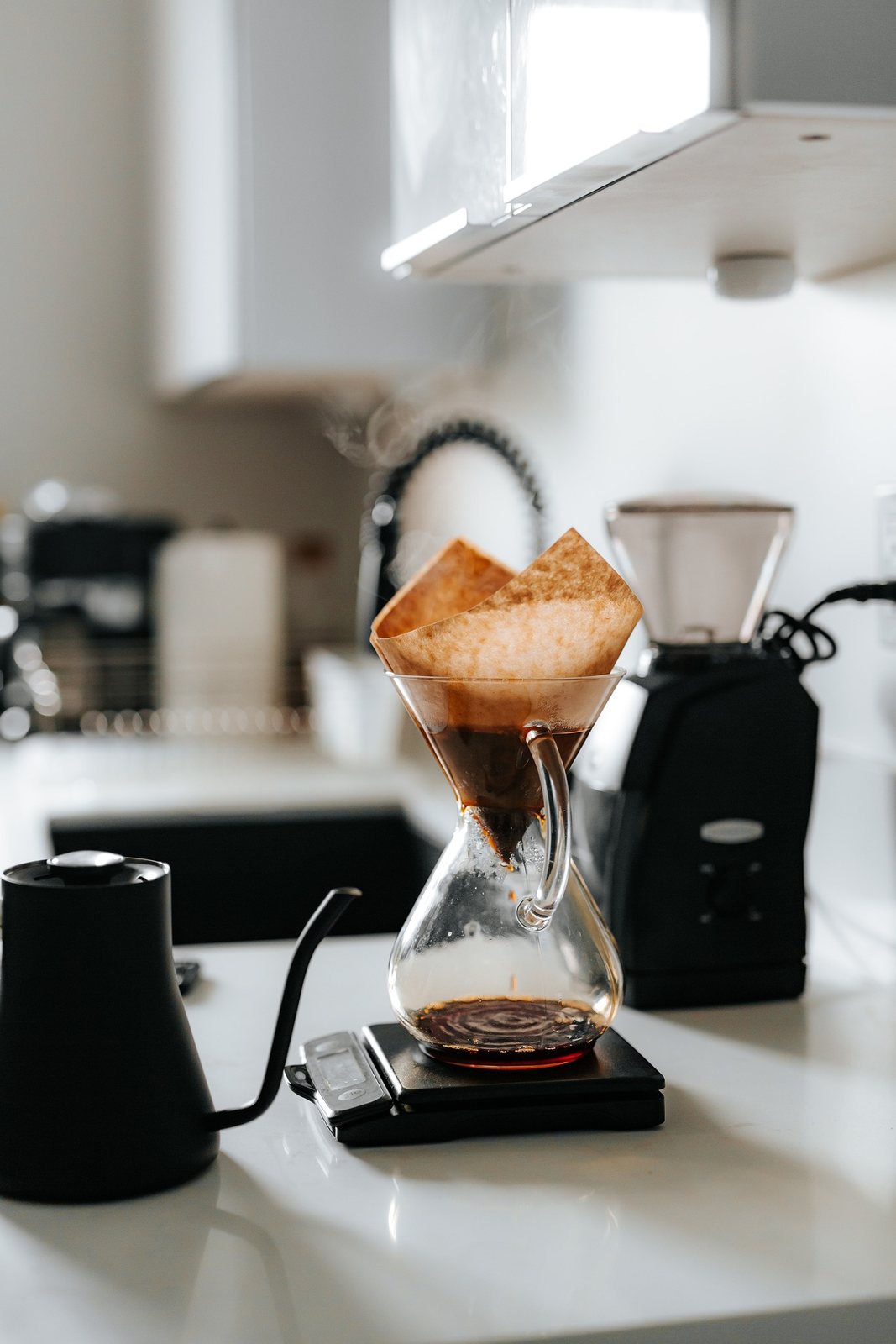
If you drink coffee regularly and are watching LDL cholesterol, paper filtering removes much of the coffee oil associated with higher LDL in unfiltered brews. I might choose freshly ground beans, a paper filter and a glass or stainless-steel vessel. Someone else may favour a capsule for its ease. Either way, transparent sourcing and specific, dated tests are more persuasive than a superlative on the packet.
The British brand Balance Coffee, for example, publishes an accredited laboratory report for a sample received in August 2026, covering pesticides, mycotoxins and selected metals. Its ochratoxin A result was below that laboratory's quantification limit of 0.3 µg/kg. Clearly that is a great result for the tested sample, but not a lifetime guarantee for every bag, and I would welcome comparable reports from more roasters.
In the United States there are numerous organic brands claiming to be tested for mould, pesticides, toxins and metals, too many to list, but Purity, Biodynamic and Thrive Market are three top recommendations.
But sometimes I want neither tea nor coffee. A few slices of fresh ginger and lemon need no tea bag at all, and a few sprigs of lemon balm (Melissa) from the garden make a fragrant evening infusion. The aim is not a perfect, worry-free cup. It is to keep the pleasure of the ritual while knowing a little more about the choices inside it.
- Where were these leaves or beans grown, and does the packet name an estate, region or farm?
- Is it certified organic, and by whom?
- What is the bag, seal, string or pod actually made of?
- Has this product been tested, and can I see the date and the result?
- For coffee: was it grown at altitude, washed and shade grown?
- Is there a way to make this with no bag or pod at all?
You will find the studies, brand statements and further reading behind this article in the Sources section below.
Key Takeaways
- Tea and coffee are farmed crops, so pesticide residues, metals and mould are fair questions to ask.
- Organic is the best start but tells you nothing about the tea bag or the bag of coffee, and "pure" or "clean" means nothing without a dated test.
- Plastic mesh and heat-sealed tea bags can release billions of microplastic particles into hot water; loose leaf in a steel infuser avoids the question entirely.
- Use the 30-second shelf test: shape, colour, top edge, string, certification.
- For coffee, look for organic, high-altitude, washed and shade-grown beans, ideally with a published lab report.
- Capsules add plastic to the brew; reusable steel pods or a paper filter are simple alternatives, and paper filtering also helps LDL cholesterol.
- The goal is not fear, but a more knowing ritual.
Has this article changed how you view your tea bags, coffee or brewing method, or is your morning cup one ritual you would rather keep simple? I’d love to know your thoughts, so do share them in the comments below.
Read & add your comment ↓Further Inspiration:
Air Fryers: Hero or Toxic? · Organic Shops in Mallorca · Water and Wellness · Best Nuts for Healthy Ageing

As featured in the Mallorca Bulletin
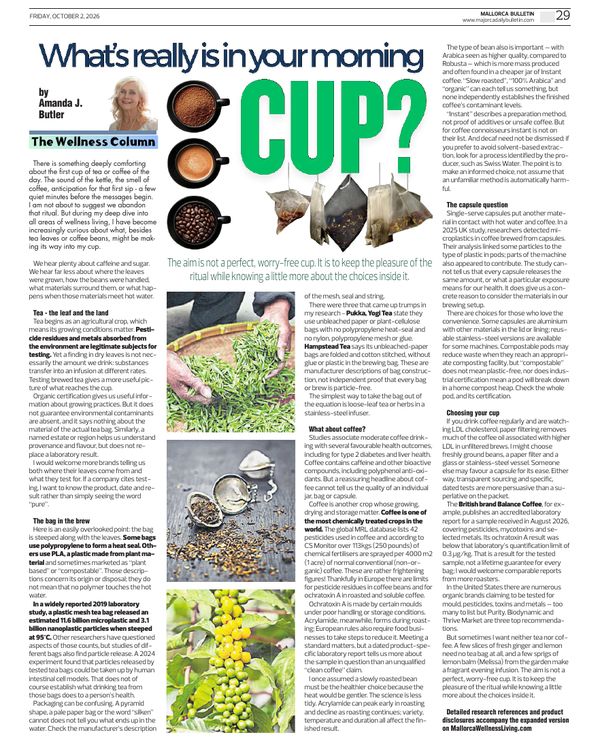
A shorter version of this article first appeared in Amanda’s Wellness Column in the Mallorca Bulletin. Read the original as a PDF →
Sources and Further Reading
- Why Is Coffee and Tea Bad for You? Coffee Plus Three.
- What Tea Brands to Stay Away From. Teabrands.org.
- Best Tea Brands in the World. Teabrands.org.
- Best Non-Toxic Tea Bags 2026. Plastic Proof, 2026.
- Worst Tea Brands. Worst Brands.
- Worst Coffee Brands to Avoid. Worst Brands.
- Plastic Teabags Release Billions of Microparticles and Nanoparticles into Tea. Environmental Science & Technology, 2019.
- Some Plastic with Your Tea? McGill University, 2019.
- Commercial Tea Bags Release Millions of Microplastics. Universitat Autònoma de Barcelona, 2024.
- Micro and Nanoplastics Released from Tea Bags and Human Intestinal Cells. Chemosphere, 2024.
- Microplastics in Coffee from Capsules and Brewing Methods. Science of the Total Environment (University of Birmingham), 2025.
- What Happens to the Plastic in Coffee Pods? TIME, 2025.
- Are Coffee Pods Bad for You? Green Matters.
- Microplastics and Nanoplastics in Atheromas and Cardiovascular Events. New England Journal of Medicine, 2024.
- What’s the Deal with Microplastics? Stanford Report, 2025.
- Is Instant Coffee Bad for You? Coffeeness.
- Comparing Organic Clean Coffee Brands Free of Mould and Mycotoxins. Organically Becca.
- Independent Laboratory Test Results. Balance Coffee, 2026.
- The Swiss Water Decaf Process. Swiss Water.
- Yogi Immune Support Tea Voluntarily Recalled for Pesticide Residue. ABC7, 2024.
- 5 Minutes with Kiran Tawandey of Hampstead Organic Tea. Food Digital.
- Commission Regulation (EU) 2023/915 on Maximum Levels for Contaminants in Food. EUR-Lex, 2023.
- Commission Regulation (EU) 2017/2158 on Acrylamide Benchmark Levels. EUR-Lex, 2017.
- EU Pesticides Database (Maximum Residue Levels). European Commission.
- Caffeine. European Food Safety Authority.
- Coffee Consumption and Health: Umbrella Review of Meta-Analyses. BMJ, 2017.
- Organic Coffee: Why Latin America’s Farmers Are Abandoning It. The Christian Science Monitor, 2009.
- Mycotoxins in Coffee: What UK Buyers Need to Know. West Berkshire Roastery.
Frequently Asked Questions
Do tea bags contain plastic?
Many do. Pyramid and "silken" bags are often nylon or PET mesh, and many flat paper bags are sealed with a thin strip of polypropylene. Some brands, including Pukka, Yogi Tea and Hampstead Tea, say their bags are plastic-free. Loose-leaf tea in a stainless-steel infuser avoids the question entirely.
How many microplastics does a tea bag release?
A 2019 McGill University study estimated that one plastic mesh tea bag steeped at 95°C released 11.6 billion microplastic and 3.1 billion nanoplastic particles. Other scientists have questioned the exact counts, but later studies of different bags also found particle release.
Is organic tea or coffee free of toxins?
Not necessarily. Organic certification tells you about farming practices and usually means fewer pesticide residues, but it does not guarantee that environmental contaminants are absent, and it says nothing about the tea bag or pod. Look for a dated, product-specific lab report.
What is the healthiest way to brew coffee?
Freshly ground beans brewed through a paper filter into a glass or stainless-steel vessel is a good choice. Paper filtering removes much of the coffee oil linked to higher LDL cholesterol, and it keeps plastic out of contact with the hot coffee.
Does coffee contain mould?
Coffee beans can carry moulds that produce ochratoxin A, mainly when they are dried or stored badly. The EU sets maximum limits of 3 µg/kg for roasted and 5 µg/kg for instant coffee. Organic, high-altitude, washed beans from a brand that publishes lab results reduce the risk further.
Are coffee pods bad for you?
A 2025 University of Birmingham study found microplastics in coffee brewed from plastic capsules, some traced to the pod material and some to the machine. What that means for health is not yet known. Reusable stainless-steel pods or a paper filter are simple alternatives.
What is the environmental impact of tea bags and coffee pods?
Plastic tea bags, seals and capsules never fully break down; they fragment into ever smaller particles that persist in soil and sea. Conventional farming also brings heavy fertiliser and pesticide use, and sun-grown coffee has been linked to deforestation. Loose leaf, organic, shade-grown coffee and reusable pods all lighten the footprint.
Disclaimer: This article is for general information only and is not medical advice. Where research is referenced, the sources are linked for you to explore. Always talk to a qualified healthcare professional about your own situation before making any changes, as individual needs vary.

0 Comments